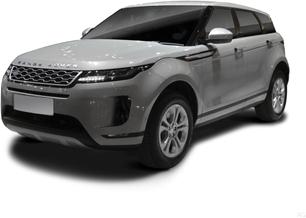
What's the difference?
Range Rover has developed a bit of an image problem in the last few years.
To many the brand is still the face of a quintessentially British aspirational luxurious off-roader. But to a growing group, it has become synonymous with the concept of an environmentally reckless fuel-guzzling SUV.
They’re big, heavy, and still feature V8 engines, but Range Rover knows all too well the writing is on the wall for its increasingly infamous range of combustion vehicles.
The trouble is, customers love them, and while the I-Pace from sister brand Jaguar is a big leap into the future, there needs to be a happy medium for easing some of its existing customers away from combustion, while still offering the kinds of excess and aspirational performance the Range Rover brand is associated with.
Enter this car, the Evoque HSE P300e. It’s a plug-in hybrid, notably only available in the top trim level, with top-shelf performance, too.
Is it the right car to represent Range Rover’s entry-level model at a critical time of technological transformation? Let’s take a look.
Four years is a long time in the Australian automotive sector. Back in 2022, the Kia EV6 made a big splash as a cool, edgy EV with a focus on driver engagement.
It won a bunch of awards and was praised for its dynamism and design. Kia’s first dedicated EV was a winner! But in the years since it’s been overshadowed by a gaggle of newer and cheaper electric cars, largely from China.
More than a year after it made its global debut, Kia Australia has finally launched the facelifted EV6 in Australia. It brings with it a number of changes, most notably a new front end design, as well as a multimedia and software upgrade, chassis refinements, local ride and handling tuning tweaks and bigger batteries for more driving range.
But is it too little, too late for the Kia EV6? Have buyers moved on from this once ground-breaking EV to more affordable Chinese options? Read on to find out why this EV shouldn’t be so easily forgotten.
The Range Rover Evoque is more highly specified and more luxurious than ever, and this plug-in hybrid version makes the most of what’s on offer with its slick but familiar feel from behind the wheel.
Unfortunately, it does have an eye-watering price tag to go with its classy design and the options list is a bit rude, all things considered, but the core offering is a solid luxury buy for city-slickers, nonetheless.
What makes the Evoque P300e stand out for me is its impressive EV driving range and excellent charging specs which make it as convenient as possible to make the most of its electrified features.
It’s up to the buyer whether these conveniences and the Range Rover badge are worth swapping into a car a full size down from its luxury plug-in rivals for the same money.
It’s fair to say the Kia EV6 is not the most affordable mid-to-large electric SUV money can buy. Especially in the era of cheaper Chinese models.
It also lacks some of the practicalities of a few rivals. If that’s your focus and you’re dead set on buying a Kia, then the EV5 is the clear choice.
But that’s not the sole purpose of this car.
It doubles as family transport and a car for driving enthusiasts. It’s the sort of EV that can convert EV non-believers.
After a week with the EV6, it’s not a car I’ll forget easily. And I urge buyers looking in the EV space not to overlook this pioneering model. It’s a brilliant car to drive and the GT-Line RWD is the value pick of the whole line-up.