What's the difference?
Range Rover has developed a bit of an image problem in the last few years.
To many the brand is still the face of a quintessentially British aspirational luxurious off-roader. But to a growing group, it has become synonymous with the concept of an environmentally reckless fuel-guzzling SUV.
They’re big, heavy, and still feature V8 engines, but Range Rover knows all too well the writing is on the wall for its increasingly infamous range of combustion vehicles.
The trouble is, customers love them, and while the I-Pace from sister brand Jaguar is a big leap into the future, there needs to be a happy medium for easing some of its existing customers away from combustion, while still offering the kinds of excess and aspirational performance the Range Rover brand is associated with.
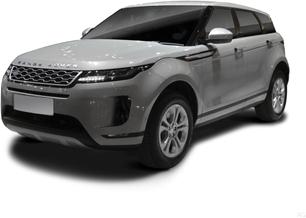
Enter this car, the Evoque HSE P300e. It’s a plug-in hybrid, notably only available in the top trim level, with top-shelf performance, too.
Is it the right car to represent Range Rover’s entry-level model at a critical time of technological transformation? Let’s take a look.
Don’t let people talk you into buying a tiny car just because you live in the city. That’s what I’ve learnt from being a car reviewer and living about eight kilometres from the CBD.
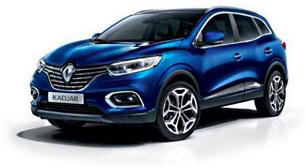
Yes, car spaces are small, or almost non existent, but the people that live there are as full-sized as people elsewhere and they often carry around just as much gear. What you need is a big, little car and the Renault Kadjar is that – a small SUV which is actually bigger than most.
The Kadjar is also French, and that’s appealing to us city folk because even though there are millions of us living in one square metre we like to think of ourselves as different, as individuals, cosmopolitan, metropolitan.
So the Kadjar looks perfect then, right?
Well, it’s good yes… in some ways, but after reading this you might prefer its Japanese cousin, the Nissan Qashqai. Let me explain...
The Range Rover Evoque is more highly specified and more luxurious than ever, and this plug-in hybrid version makes the most of what’s on offer with its slick but familiar feel from behind the wheel.
Unfortunately, it does have an eye-watering price tag to go with its classy design and the options list is a bit rude, all things considered, but the core offering is a solid luxury buy for city-slickers, nonetheless.
What makes the Evoque P300e stand out for me is its impressive EV driving range and excellent charging specs which make it as convenient as possible to make the most of its electrified features.
It’s up to the buyer whether these conveniences and the Range Rover badge are worth swapping into a car a full size down from its luxury plug-in rivals for the same money.
The Renault Kadjar Intens ticks a lot of the urban boxes. It’s small, which is good for navigating narrow city streets and parking in tight spaces, but it’s also spacious and practical. The Kadjar is fuel efficient for a four-cylinder petrol engine and it has that sophisticated French styling.
The Intens is expensive, though, and unless you absolutely have to have leather seats, a glass roof, and the Bose stereo I’d go for the mid-range Zen grade and save yourself $5K but still have all the same safety tech. That said the Intens has auto parking as standard which is a nice convenience for the city.
Safety could be better. The AEB system doesn’t have pedestrian and cyclist detection, rear cross traffic alert, or reverse emergency braking.
Finally, the dual-clutch automatic and 1.3-litre turbo-petrol engine while a fuel efficient combination, isn’t all that easy to live with and can make driving a less-than-smooth experience. The Nissan Qashqai’s combination of CVT auto and four-cylinder naturally aspirated engine is better suited to the urban jungle - something to think about there.
Now the scores, the Kadjar Intens gets the same mark for daily driving and its urban talents – it could be smoother to drive, but there’s still lots to like.