What's the difference?
Do you remember when you first saw an Audi TT? I can go first. It was 1998 and I’d been backpacking through Europe for months and had arrived in Paris just as all my money had run out.
Anyway, as I was beating myself up for spending way too much on a fridge magnet in a souvenir shop (it had a built-in thermometer) when one drove past me.
I saw the Audi badge but before I could work out what it was it turned the corner and was gone.
The mysterious Audi was silver and it looked like it was from the future, but actually it was the original TT, the first one, and being about October ‘98 it would have only just come out.
I would never have believed you if you’d told me at the time that 25 years later I’d be a motoring journalist and that I’d be reviewing the final Audi TT ever.
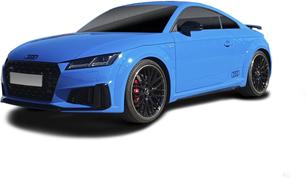
And here we are with the Audi TT Final Edition. That’s right, Audi has decided to discontinue this sports car after 25 years of production and it’s made this commemorative TT Final Edition that adds unique fettling and some nice features.
So, is the TT Final Edition worth buying? What’s so good about it? And how much more does it cost over a regular TT?
I found out after spending a weekend on some great roads to say goodbye to this icon. Oh, and I still have the fridge magnet.
Range Rover has developed a bit of an image problem in the last few years.
To many the brand is still the face of a quintessentially British aspirational luxurious off-roader. But to a growing group, it has become synonymous with the concept of an environmentally reckless fuel-guzzling SUV.
They’re big, heavy, and still feature V8 engines, but Range Rover knows all too well the writing is on the wall for its increasingly infamous range of combustion vehicles.
The trouble is, customers love them, and while the I-Pace from sister brand Jaguar is a big leap into the future, there needs to be a happy medium for easing some of its existing customers away from combustion, while still offering the kinds of excess and aspirational performance the Range Rover brand is associated with.
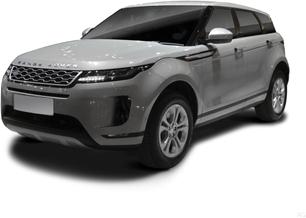
Enter this car, the Evoque HSE P300e. It’s a plug-in hybrid, notably only available in the top trim level, with top-shelf performance, too.
Is it the right car to represent Range Rover’s entry-level model at a critical time of technological transformation? Let’s take a look.
Audi is finally saying hooroo to this model which has made the world stop and stare like I did on that Parisian street all those years ago.
The Final Edition is a fitting tribute to this iconic sports car and I’m glad Audi didn’t go ‘OTT’ and deck it out with gimmicky features.
At the same time the Final Edition’s big rear wing, blacked out badges, wheels and interior colour coding hint that this is not just any ordinary TT and those that know will know.
Farewell Audi TT, we hope something just like you but probably electric appears to stop us in our tracks again.
The Range Rover Evoque is more highly specified and more luxurious than ever, and this plug-in hybrid version makes the most of what’s on offer with its slick but familiar feel from behind the wheel.
Unfortunately, it does have an eye-watering price tag to go with its classy design and the options list is a bit rude, all things considered, but the core offering is a solid luxury buy for city-slickers, nonetheless.
What makes the Evoque P300e stand out for me is its impressive EV driving range and excellent charging specs which make it as convenient as possible to make the most of its electrified features.
It’s up to the buyer whether these conveniences and the Range Rover badge are worth swapping into a car a full size down from its luxury plug-in rivals for the same money.