What's the difference?
Numerous commercial van manufacturers are adding battery-electric vehicle (BEV) variants to their model line-ups.
Anecdotal evidence suggests these vehicles are best suited to city and suburban fleet duties, in which they cover short-loop daily driving distances that are comfortably within a manufacturer’s claimed battery range and return to depots each day to be recharged.
However, given that it’s still relatively early days for electric vans, potential buyers are faced with numerous potential deal-breakers compared to conventional internal combustion engine (ICE) equivalents.
These include higher purchase prices, limited driving ranges, longer 'refuelling' times, heavier kerb weights (due to their large batteries) and resulting smaller payload ratings. And they are usually not rated to tow.
However, they can also offer lower operating costs. And they produce zero tailpipe emissions, which according to Mercedes-Benz "creates a powerful marketing tool (for buyers) to demonstrate their commitment to operating sustainably".
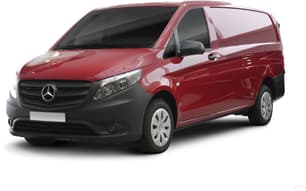
We recently trialled M-B’s Vito-based contender in this pioneering LCV market segment, to see how it measures up in Australia’s highly competitive medium-sized (2.5-3.5-tonne GVM) van market.
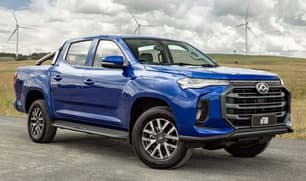
This is it: Australia’s first fully electric ute.
It is telling of the times that the eT60, a dual-cab, no less, doesn’t come from a traditional titan of Australia’s car market like Ford, Nissan or Toyota.
Instead, it comes from Chinese upstart, LDV. The brand has already made a name for itself importing affordable alternatives to these mainstream rivals.
The combustion version of the T60 is chipping away at the market share of established names, commanding nearly six per cent of the light commercial market, placed fifth behind Mitsubishi.
Can the brand be more than a cut-price option, though? Does it have what it takes to be a first-mover with its all-electric dual-cab? We drove a pre-production example at its Australian launch to find out.
It’s arguably the best-looking mid-size van on the market, particularly with the optional enhancements fitted to our example. And its longer (km-based) service intervals and capped-price servicing costs offer substantial savings compared to a diesel Vito equivalent.
However, the eVito has a much higher purchase price, smaller payload, shorter driving range, can’t tow a trailer and feels a tad under-powered at low speeds. Plus filling its battery with fresh charge takes much longer than filling a tank with diesel, which may or may not be an issue depending on planned usage.
Therefore, a buyer would need to have not only a sizeable purchasing budget but also very specific and resolute criteria for this vehicle to shine in a commercial role.
The eT60 presents as an electric vehicle clearly converted from a combustion vehicle to take advantage of being first in our market.Â
It comes with some significant downsides, from the lack of key specifications and safety equipment to the downright average drive experience, but in other areas it’s specified right, with decent charging specs, and surprisingly good software on that centre multimedia screen.Â
In some ways, these impressions are a reflection of how far the ute market has come in Australia in the last few years, with many commercial offerings now feeling just as complete as passenger cars in terms of specification and driving prowess.
LDV has left open the door for future tweaks and improvements to the eT60’s spec, ride, and features, and we’re keen to get it in for a longer test in the near future. Either way, though, the brand says it has no shortage of buyers lining up to be a part of the zero emissions future of commercial vehicles.