What's the difference?
Numerous commercial van manufacturers are adding battery-electric vehicle (BEV) variants to their model line-ups.
Anecdotal evidence suggests these vehicles are best suited to city and suburban fleet duties, in which they cover short-loop daily driving distances that are comfortably within a manufacturer’s claimed battery range and return to depots each day to be recharged.
However, given that it’s still relatively early days for electric vans, potential buyers are faced with numerous potential deal-breakers compared to conventional internal combustion engine (ICE) equivalents.
These include higher purchase prices, limited driving ranges, longer 'refuelling' times, heavier kerb weights (due to their large batteries) and resulting smaller payload ratings. And they are usually not rated to tow.
However, they can also offer lower operating costs. And they produce zero tailpipe emissions, which according to Mercedes-Benz "creates a powerful marketing tool (for buyers) to demonstrate their commitment to operating sustainably".
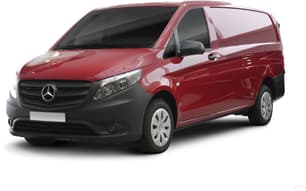
We recently trialled M-B’s Vito-based contender in this pioneering LCV market segment, to see how it measures up in Australia’s highly competitive medium-sized (2.5-3.5-tonne GVM) van market.
There are a lot of big numbers surrounding the BMW iX3, the German brand’s new-from-the-ground-up EV that acts as the flagbearer for its future-facing Neue Klasse (or New Class) architecture, designed to distil all the ingredients that make a BMW a BMW, and then electrify for them for the post-ICE (internal combustion engine) era.
But the one that really stood out? 805. That’s how many kilometres of driving range the iX3 will deliver, though admittedly in its most efficient and least exciting driving modes. That is bonkers, right?
It’s worth pointing out the first BMW i3, which only launched a decade-or-so ago, delivered more like 150km on what would have been the WLTP cycle, if it had existed then. Talk about leaps and bounds.
A good start for the newest BMW EV, then. But what else does the iX3 have to offer?
It’s arguably the best-looking mid-size van on the market, particularly with the optional enhancements fitted to our example. And its longer (km-based) service intervals and capped-price servicing costs offer substantial savings compared to a diesel Vito equivalent.
However, the eVito has a much higher purchase price, smaller payload, shorter driving range, can’t tow a trailer and feels a tad under-powered at low speeds. Plus filling its battery with fresh charge takes much longer than filling a tank with diesel, which may or may not be an issue depending on planned usage.
Therefore, a buyer would need to have not only a sizeable purchasing budget but also very specific and resolute criteria for this vehicle to shine in a commercial role.
The thing that really grabs you from behind the wheel of a car like this is just how far EVs have come. The fact you can get a ridiculous range and have a really, really good time on the right twisting road is a pretty good deal and solidifies the fact EVs like this one are the future.
Note: CarsGuide attended this event as a guest of the manufacturer, with travel, accommodation and meals provided.
Note: The author, Andrew Chesterton, is a co-owner of Smart As Media, a content agency and media distribution service with a number of automotive brands among its clients. When producing content for CarsGuide, he does so in accordance with the CarsGuide Editorial Guidelines and Code of Ethics, and the views and opinions expressed in this article are solely those of the author.