What's the difference?
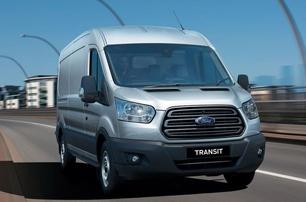
Meet Ford’s electric pioneer for Australia - the E-Transit.
It may not be as exciting as a Tesla Model S, Porsche Taycan or Audi e-tron, but this electric version of the Blue Oval’s large van will help create a new market for zero-emissions commercial vehicles.
This is seen as a major opportunity by Ford to provide an electric alternative to typically diesel-powered vans, which will no doubt prove popular with fleet operators looking to cut fuel costs and corporate emissions. While unlikely to suit all van buyers, thanks to its limited range and recharging restrictions, for those companies with shorter delivery routes it will certainly have appeal.
Ford’s research (performed by YouGov) suggests up to 58 per cent of business “can see EVs becoming part of their vehicle fleet in the future".
But it’s just Ford’s first step into the larger world of electric vehicles. We’ve already had confirmation the smaller E-Transit Custom is headed our way and there are good odds the Mustang Mach-E will eventually find its way to Australian showrooms, so there’s plenty of exciting models in store for Ford.
In the meantime, though, the E-Transit isn’t due in Australia until sometime in the first half of 2023, but CarsGuide was able to take one for a test drive near Ford’s Detroit headquarters recently to get a taste of what’s to come.
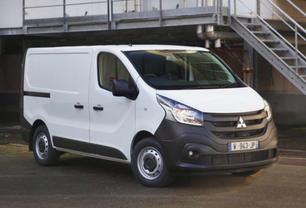
It has been a while since we’ve seen a Mitsubishi Express van on sale in Australia, and the one that has just launched here is a very different offering to its predecessor.
That’s because you could cover the tri-diamond badges on the grille or back door of the new 2020 Mitsubishi Express and be fooled into thinking that you’re looking at a Renault Trafic. Because you are.
The Express is a direct bi-product of the Alliance between Renault and Mitsubishi, and just like the Trafic, it’s made in France, at Renault’s Sandouville plant.
This isn’t a comparison - the headline isn’t Mitsubishi Express vs Renault Trafic - but the question is: why would you choose one over the other?
You’d be correct in assessing this as an exercise in badge engineering - Mitsubishi calls it “branded product” - but it could well be that you’d choose an Express because Mitsubishi has a broader network of dealers (186 at the time of writing, versus Renault’s 56), not to mention the potential for major fleet discounts and an upstream ute alternative in the Triton that helps the brand “offer the complete LCV solution”. Renault, you could counter, has a smaller and larger van for its own “LCV solution”.
There’s more to consider, including ownership, safety and value for money - read on for all the details.
Ford has taken an unorthodox approach to entering the electric vehicle market in Australia, avoiding the hype around the Mustang Mach-E and F-150 Lightning and instead laying the foundations with the E-Transit.
But it’s a savvy move, giving the brand a chance to enter what should be a largely untapped market with a vehicle that should appeal to what buyers are looking for. With unchanged space compared to the diesel-powered Transit, the switch to a more powerful electric powertrain makes the E-Transit a win-win scenario for those with a suitable daily driving routine.
Note: CarsGuide attended this event as a guest of the manufacturer, with travel, accommodation and meals provided.
Â
The Mitsubishi Express is an impressive return to the market for the brand, albeit one that won’t suit every buyer’s needs or wants. If you need to personalise your van, or if you value the safety technology offered by rivals like the HiAce, then you may need to shop elsewhere.
But if you do choose the Express, you will be getting a value-packed and very comfortable van that is backed by a broad dealer network and decent ownership prospects.