What's the difference?
When the GLB arrived in Australia in 2020 it did so to much fanfare as the little premium SUV which could do it all.
It had seven-seats, ideal dimensions slotting underneath the mid-size GLC, the option of all-wheel drive, and even a go-fast AMG version to boot.
Now, the clever little luxury SUV can add another headline feature - it’s gone fully electric.
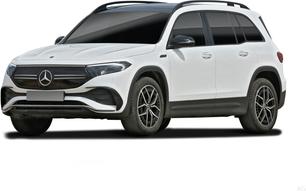
The EQB, like the EQA before it, follows the formula of its donor car to a T, being familiar for an existing Mercedes buyer whilst also making the jump to a fully electric drivetrain.
For now it comes in two variants, a two-wheel drive with seven seats, and a five-seat all-wheel drive which leans more on the performance aspect of its electric drivetrain. Is the trade-off worth it?
The answer is: It depends. Read on to find out why.
Yep, here comes another new brand.
The Australian new car market has been flooded with new car brands in recent years, not exclusively but predominantly from China. GAC is the latest, joining the likes of BYD, Deepal, Geely, GWM, Leapmotor, MG and Xpeng in an increasingly crowded market.
Quite simply, the market is now so crowded it means any new company with long-term aspirations will need to find a way to cut through. Being cheap alone won’t do it, nor will being stylish or nice to drive. No single trait will be enough, instead you will need to tick as many boxes as possible to secure any long-term security.
Which puts a lot of pressure on the Aion V, the brand’s mid-size, all-electric SUV that has just arrived in Australia. It will go head-to-head with the likes of the Geely EX5 and Leapmotor C10 at the more-affordable end of the electric SUV market. But does it tick enough boxes to make an impact? Read on to find out…
I really liked the combustion version of this car, the GLB, for its funky style and flexibility and I was pleased to find how easily Mercedes has made the conversion to a fully-electric layout for the EQB.
Despite a tall price, the EQB 350 is a compelling option for those seeking something a bit more luxurious than the Tesla Model Y, something a bit larger than the Volvo XC40 Recharge, and something a bit smaller than the Audi e-tron or the EQC.
The main trade-off for this 350 variant is the loss of the seven-seat layout in favour of more performance. Instead it offers a huge boot, has a sufficient range for city-based buyers, and offers surprising levels of fun, too.Â
Just make sure you’ve considered its rivals which may potentially offer more range or features for the same money.
Candidly, I questioned the logic behind GAC entering the Australian market, especially now given the seemingly non-stop influx of other brands. How could it really hope to stand a chance against so many similarly priced and similarly equipped rivals?
Well, the answer is by providing a better product. The Aion V is simply a better package than many of its rivals, Chinese and otherwise, at least based on our initial impressions.
It combines value and practicality but also adds a level of driving comfort and manners its Chinese rivals can’t match.
Is that enough to guarantee success? Not at all, but it’s a strong foundation to start with and at least gives GAC a fighting chance to not get lost in the crowd.
Note: CarsGuide attended this event as a guest of the manufacturer, with accommodation and meals provided.