What's the difference?
While there are plenty of things that somehow improve with age (art, wine, the seemingly ageless Will Smith, to name but a few), the Hyundai Accent is sadly not one of them.
But then, neither does almost any new cars. With new technology, entertainment and safety features launching daily, and with engines that are getting cleaner, more efficient and smoother all the time, a once all-new model can be left looking positively antique in just a handful of years.
But it’s definitely even worse than normal over at Hyundai; the Korean manufacturer that continues to make great forward strides with every new model. From the members of its fast and frantic N Division to its polished SUVs, to the all-new i30 small car, Hyundai is going from strength to strength with neck-breaking speed.
All of which creates a little problem for the pint-sized Accent, which - having launched back in 2011 - is now starting to feel its age. And unlike the Fresh Prince, it isn’t holding up quite so well.
So in lieu of an all new version, Hyundai streamlined the existing Accent family into one value-packed model in 2017, taking the axe to the Active and SR models and replacing both with a single, Sport trim level, which is available in sedan and hatchback guise.
And in creating the Sport, Hyundai aims to blend the best of the Accent range into one handy package. So have they taught this old dog new tricks?
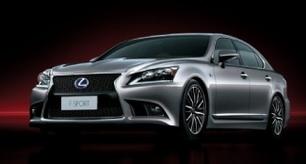
Almost 30 years after Lexus launched its original LS flagship sedan, the fifth generation of the car has arrived in Australia in what appears to be the brand’s never-ending battle to hunt down and beat Mercedes-Benz, BMW and Audi at their own game.
In some markets it looks as though Lexus is making headway. In the United States last year Mercedes-Benz was the best-selling luxury brand, followed by BMW and then Lexus. To give you even more insight, 50 per cent of all Lexus sales globally are in the US.
The story is different in Australia, with Lexus hardly a threat to the big three Germans, selling about a third less each month.
The Lexus LS is the Japanese prestige brand’s flagship and comes with a price that nudges up against formidable rivals. There’s the Mercedes-Benz S-Class, BMW 7 Series and Audi’s A8. Only the best cars from a few of the best brands in the world – no pressure, Lexus.
This may even be a reason to buy one – in that it’s not one of the traditional three. You could see Lexus as the popular underdog that in some ways does a better job than the usual suspects. A people’s favourite perhaps?
Just look at how often it’s mentioned in songs. According to lyrics.com.au the word Lexus has been used in 873 songs. Meanwhile Mercedes Benz appears in 500, Audi in 402 and BMW in 307.
With all this in mind we headed to the Australian launch to drive the LS 500 and its hybrid twin the 500h.
It might be getting harder and harder to hide its age, but there is still plenty to like about Hyundai's cheapest car. Those who really love to drive need not apply, and nor should long-distance travellers, but the Accent Sport's alloy wheels, true smartphone integration and plenty of power and USB points will thrill its younger owners, while its long-range warranty and cheap servicing costs don't hurt either.
Still, if you think you can stretch to an i30, you should definitely drive one first.
The Lexus LS 500 and 500h are both exceptional cars. The ‘obnoxious’ styling especially to the grille makes the offerings from BMW, Benz and Audi look bland and overly corporate inside and out. It’s really in the dynamics department that the LS falls short of its rivals and only the LS 500 is enjoyable if you like to drive with a degree of conviction.
Both the LS500 and 500h, though, have wonderfully comfortable rides and this together with those sumptuous interiors makes these the perfect place to be if you’re in the back being swiftly and quietly taken to you next meeting.
For me the sweet-spot pick would be the LS 500 F Sport for its value and dynamic ability.