What's the difference?
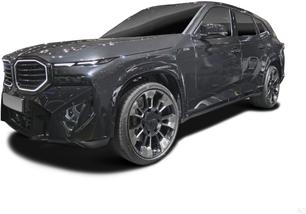
BMW’s new XM is a tricky customer to pigeon-hole. Yes, it’s a huge, super-lux SUV and, yes, it’s all-wheel drive and features a station-wagon layout.
But it’s also a M-car and that infers super high performance. Weighing in one the wrong side of 2700kg, however, makes that a difficult task for any engineer.
This car also left us wondering if perhaps the glory days of M Division sports cars and coupes might behind it and SUVs like this one represent the road ahead.
But fear not: The CEO of M Division himself, assured us that the XM is a showcase for what an M badge can do, rather than a mission statement for the brand.
So, with that in mind, does this car have the wow factor that places it somewhere between peak oligarch and a motor-show concept car? Does it move the goal posts for big luxury SUVs? Does it even matter that it’s a plug-in hybrid?
It's only in the running for the title of world's best luxury car. No biggie here, then.
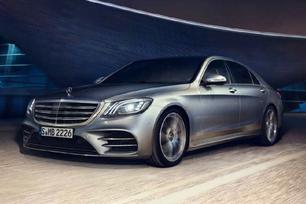
Like Rolex and Concorde, S-Class has become a byword for ultimate, and deserved or not, the Mercedes-Benz defines its segment despite the best efforts of the BMW 7 Series, Audi A8, Lexus LS and (sadly now-defunct) Jaguar XJ, as well as pointing the way forward with new technologies that eventually trickle down to more proletarian models.
Replacing the half-million selling W222 unveiled in 2013, the W223 is the latest in a long line since the first W187 Ponton debuted in 1951, and includes the famous ‘Finnies' and Stroke-8 models that followed immediately afterwards, but it is the 1972 W116 that really set the template.
Now, seven generations in, the 2021 S-Class is all-new again, with progressive safety and interior features that should help keep it Australia's bestselling full-sized upper-luxury sedan.
It’s pretty obvious the XM is designed to impress people with big wallets and an appetite for a techy experience that’s also not without a few green credentials. The ability to motor around as a fully-electric vehicle for up to 80km or so is a big plus and the electric-ballroom interior vibe is hard to ignore, as well.
But from our perspective, the full-fat, twin-turbo V8, while offering startling performance, is perhaps a lost opportunity to follow some of BMW’s competitors into the engine-downsizing space. Then again, when you floor the throttle and 2700kg hurtles forward like a big dog on a short chain, you can see where BMW is coming from.
Perhaps the biggest letdown is the ride quality – or lack of it. While it’s understandable BMW wanted the most dynamic version of the XM it could manage, the end result plays against the vehicle’s otherwise long suit of hyper-luxury. Doubtless, BMW would argue that to soften the chassis would have been to introduce a chink into a no-compromise product. But, perhaps, sometimes a sensible compromise is the way forward.
Mercedes-Benz set out to restore the S-Class' place amongst the greatest sedans in the world.
In the heavily-optioned, near-$250K-plus S450 as well as the extended S450L at $300K as tested (the sweet spot of the range for now), we reckon the Germans have succeeded, pushing safety, comfort and technology boundaries, in a package that is true to the heritage of the series.
Tax-fuelled sky-high prices will certainly keep the S-Class niche in Australia, but the car is more than good enough to dominate its tiny corner of the upper-large luxury car sphere.
The best new car in the world? We reckon it's highly likely. Mission accomplished, Mercedes.