What's the difference?
The small van segment (Under 2.5-tonne GVM) is one of the smallest in Australia’s light commercial vehicle market, as it currently caters for only three contenders, the Volkswagen Caddy Cargo, Peugeot Partner and Renault Kangoo.
Although total sales in this category are a fraction of those achieved in the mid-size (2.5-3.5-tonne GVM) van division, these compact commercials are ideal for buyers not requiring the big one-tonne payload ratings and cavernous load volumes of their larger siblings.
Petrol and diesel-powered models are typically equipped with small displacement engines offering excellent fuel efficiency, combined with cabin ergonomics and driving dynamics which are the most car-like of any LCV offering.
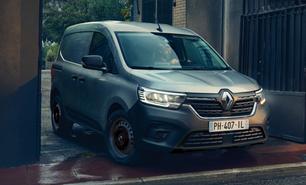
French manufacturer Renault released its third generation Kangoo range in Australia in 2024, comprising a mix of petrol and full-electric variants. We were recently handed the keys to one of the petrol models to see if it has what it takes to win costumers in this three-way fight.
Tesla started from nothing to become one of the most recognisable brands across the automotive industry in less than two decades. Rivian is hoping to do the same.
If you haven't heard of Rivian that's okay, it's currently only available in the US market. It shares a lot in common with Tesla, though - a charismatic founder and CEO, a focus on electric vehicles and plenty of hype around the brand.
To find out if the hype is justified, CarsGuide.com.au was able to organise an exclusive preview drive of the brand's R1T electric pick-up in Los Angeles recently. The R1T is one of two models Rivian has entered the market with, the other is the R1S large SUV.
This is a far cry from company founder RJ Scaringe's original vision, the R1 - a mid-engined hybrid coupe sports car. Instead, Scaringe switched focus to the pick-up and SUV markets, which provided a much larger audience and helped attract investment from the Ford Motor Company and Amazon to get the company up and running on an industrial scale.
Rivian is still a few years from making it to Australia, but make no mistake, the company has been committed to global expansion for years. As far back as April 2019 a company representative told CarsGuide it believes there's a good opportunity for the R1T and R1S to find an audience in Australia.
So, with that in mind, we drove the R1T to find out if it has what it takes to make its mark with Australian ute buyers.
The latest petrol-powered Kangoo has the pricing, practicality and performance to win friends in Australia’s small commercial van class. If you can afford an option pack or two, like those fitted to our test vehicle, it's even better.
Having finally experienced the Rivian R1T from the driver's seat I think this is a ute that would have plenty of appeal in the Australian market. Not as a competitor to a Toyota HiLux Workmate or similar working-class ute, but as an alternative to the likes of the HiLux Rogue, Ford Ranger Raptor or even the new Ranger Platinum.
This is a high-end, luxury ute that also happens to be electric, which only expands its appeal. It has seriously impressive performance and, while we didn't get to test them first-hand, strong off-road credentials. Add to that a premium look and feel to the cabin and loads of practicality and it's easy to see this finding an audience here.
The biggest question will be cost, because even at a direct price conversion (which isn't a clear reflection of shipping and local tariffs) the R1T will start well over $100,000. Even by today's standards of six-figure US utes like the Chevrolet Silverado 1500 and incoming Ford F-150, that will be a hard sell and could restrict its chances.
Which would be a shame because while Tesla has a clear head start in Australia, it's possible for Rivian to follow in its wheel tracks and have plenty of mainstream success.
Note: CarsGuide attended this event as a guest of the manufacturer, with travel, accommodation and meals provided.