Mitsubishi Express vs Isuzu NLR

What's the difference?

VS
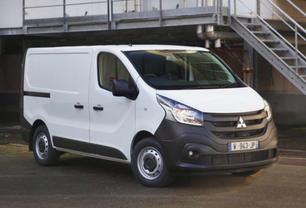
Mitsubishi Express
Mitsubishi Express

$14,999 - $37,990

2020 price

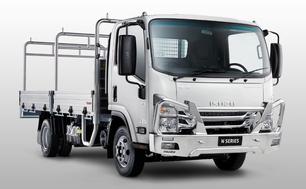
Isuzu NLR
Isuzu NLR

$55,676 - $87,789

2026 price

Summary

2020 Mitsubishi Express
2026 Isuzu NLR
Safety Rating

Engine Type
Diesel Twin Turbo 4, 1.6L

Diesel Turbo 4, 5.2L
Fuel Type
Diesel

Diesel
Fuel Efficiency
6.2L/100km (combined)

0.0L/100km (combined)
Seating
3

3
Dislikes
  • No advanced safety tech
  • Manual models miss out on reversing camera
  • Old-school media system

  • Left-foot braking impossible
  • No recreational aspirations
  • Needs plenty of space to park
2020 Mitsubishi Express Summary

It has been a while since we’ve seen a Mitsubishi Express van on sale in Australia, and the one that has just launched here is a very different offering to its predecessor.

That’s because you could cover the tri-diamond badges on the grille or back door of the new 2020 Mitsubishi Express and be fooled into thinking that you’re looking at a Renault Trafic. Because you are.

The Express is a direct bi-product of the Alliance between Renault and Mitsubishi, and just like the Trafic, it’s made in France, at Renault’s Sandouville plant. 

This isn’t a comparison - the headline isn’t Mitsubishi Express vs Renault Trafic - but the question is: why would you choose one over the other?

You’d be correct in assessing this as an exercise in badge engineering - Mitsubishi calls it “branded product” - but it could well be that you’d choose an Express because Mitsubishi has a broader network of dealers (186 at the time of writing, versus Renault’s 56), not to mention the potential for major fleet discounts and an upstream ute alternative in the Triton that helps the brand “offer the complete LCV solution”. Renault, you could counter, has a smaller and larger van for its own “LCV solution”. 

There’s more to consider, including ownership, safety and value for money - read on for all the details.

View full pricing & specs
2026 Isuzu NLR Summary

The dual-cab ute market and light truck market are potentially two very different landscapes.

While the dual-cab continues to storm the sales charts in Australia, there’s also a growing awareness among hardcore users of these vehicles, that a light truck might often be a better solution.

Better payloads and higher Gross Combination Mass ratings in an age of increasing legal and insurance concerns over overloaded vehicles, were once the light truck’s strong suit. But these days, vehicles like the full-sized US-made pick-ups and even the muscled-up Ford Ranger Super Duty have bridged or even exceeded that gap.

At which point, the light-truck’s benefits become the ease with which it can take on heavier jobs and the sheer size of the cargo and cabin area, not to mention those truck-specific qualities born of generations of refining a concept.

In Australia, it’s Isuzu that absolutely brains the opposition in sales terms. And part of the reason for that has been a realisation that not all would-be buyers want the hassle of the traditional truck-buying process of purchasing a bare chassis and then equipping it so suit their needs.

Which is where Isuzu’s RTW (ready To Work) concept comes in. You simply choose the truck you want, choose a tray, van or service body and then let Isuzu deal with it and phone you when it’s ready to collect.

It's so simple, it’s a wonder not everybody is doing it.

@carsguide.com.au Future of reversing cameras revealed! This 2026 Isuzu N Series feature is potentially lifesaving #isuzu #nseries #truck #tradies #fyp ♬ original sound - CarsGuide.com.au

The other news is that Isuzu has finally updated its popular N Series fleet after about 16 years. A new cabin, extensive chassis changes, uprated engines, and all-new transmission, improved suspension and a new focus on safety are all headlines. But 16 years is a long time between drinks, so do the improvements make enough of a difference to keep the concept relevant in a changing market?

View full pricing & specs

Deep dive comparison

2020 Mitsubishi Express 2026 Isuzu NLR

Change vehicle