What's the difference?
The meteoric rise of the Chinese-owned MG brand continues with the HS, a family-focused SUV stepping into the most hotly contested segment in Australia.
When the first generation HS arrived in December 2019, it should have been MG’s big sales driver, yet it sat in the shadows of the cut-price MG3 hatch and ZS small SUV as they lifted the storied MG badge into Australia’s overall top-10 sellers.
The HS has so far been MG’s missing link and that’s down to the segment being full of such strong name plates such as the Mazda CX-5 and Toyota RAV4. The mid-size SUV has also been the focus of other strong value rivals that were better, namely the GWM Haval H6.
Range Rover has developed a bit of an image problem in the last few years.
To many the brand is still the face of a quintessentially British aspirational luxurious off-roader. But to a growing group, it has become synonymous with the concept of an environmentally reckless fuel-guzzling SUV.
They’re big, heavy, and still feature V8 engines, but Range Rover knows all too well the writing is on the wall for its increasingly infamous range of combustion vehicles.
The trouble is, customers love them, and while the I-Pace from sister brand Jaguar is a big leap into the future, there needs to be a happy medium for easing some of its existing customers away from combustion, while still offering the kinds of excess and aspirational performance the Range Rover brand is associated with.
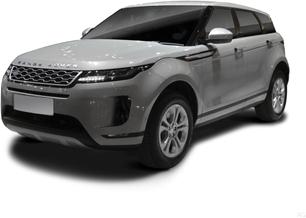
Enter this car, the Evoque HSE P300e. It’s a plug-in hybrid, notably only available in the top trim level, with top-shelf performance, too.
Is it the right car to represent Range Rover’s entry-level model at a critical time of technological transformation? Let’s take a look.
There are a few niggles with the latest MG HS, for example the annoying driver-attention monitoring and expensive maintenance costs. We’ve not had a full sample of its open-road performance yet either, which may prove more telling.
Yet the HS is shaping up to be one of the most successful product updates of recent years, second only to, I don’t know, the MG3? The family SUV is also backed by a 10-year warranty and, despite the drastic improvements, doesn’t cost a whole lot more than before.
The entry-level Vibe is our pick, there's no need to spend more. It features all manner of safety equipment and a quiet drive but with cloth upholstery that doesn't get all sticky and sweaty in the Australian climate.
The end of 2024 is the tipping point where MG goes from cheap and cheerful to a real headache for established players. Perhaps not for the strongest in the segment like the RAV4 and Nissan X-Trail, but the HS is now an easy car to recommend for a family looking for a spacious SUV that drives their dollar further. The hybrid will boost appeal further when it arrives next year.
Note: CarsGuide attended this event as a guest of the manufacturer, with meals provided.
The Range Rover Evoque is more highly specified and more luxurious than ever, and this plug-in hybrid version makes the most of what’s on offer with its slick but familiar feel from behind the wheel.
Unfortunately, it does have an eye-watering price tag to go with its classy design and the options list is a bit rude, all things considered, but the core offering is a solid luxury buy for city-slickers, nonetheless.
What makes the Evoque P300e stand out for me is its impressive EV driving range and excellent charging specs which make it as convenient as possible to make the most of its electrified features.
It’s up to the buyer whether these conveniences and the Range Rover badge are worth swapping into a car a full size down from its luxury plug-in rivals for the same money.