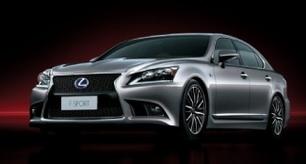
Lexus LS500H vs Foton Tunland

What's the difference?

VS
Lexus LS500H
Lexus LS500H

2019 price

Foton Tunland
Foton Tunland

$39,990 - $49,990

2026 price

Summary

2019 Lexus LS500H
2026 Foton Tunland
Safety Rating

Engine Type
V8, 5.0L

Inline 4, 2.0L
Fuel Type
Premium Unleaded/Electric

Diesel/Electric
Fuel Efficiency
8.6L/100km (combined)

8.0L/100km (combined)
Seating
5

5
Dislikes
  • Engines could do with more shove
  • CVT in 500h is not suited for spirited driving
  • Headroom could be better

  • No ANCAP rating
  • No diff lock
  • Digital screen glitches
2019 Lexus LS500H Summary

Almost 30 years after Lexus launched its original LS flagship sedan, the fifth generation of the car has arrived in Australia in what appears to be the brand’s never-ending battle to hunt down and beat Mercedes-Benz, BMW and Audi at their own game.

In some markets it looks as though Lexus is making headway. In the United States last year Mercedes-Benz was the best-selling luxury brand, followed by BMW and then Lexus. To give you even more insight, 50 per cent of all Lexus sales globally are in the US.

The story is different in Australia, with Lexus hardly a threat to the big three Germans, selling about a third less each month.

The Lexus LS is the Japanese prestige brand’s flagship and comes with a price that nudges up against formidable rivals. There’s the Mercedes-Benz S-Class, BMW 7 Series and Audi’s A8. Only the best cars from a few of the best brands in the world – no pressure, Lexus.

This may even be a reason to buy one – in that it’s not one of the traditional three. You could see Lexus as the popular underdog that in some ways does a better job than the usual suspects. A people’s favourite perhaps?

Just look at how often it’s mentioned in songs. According to lyrics.com.au the word Lexus has been used in 873 songs. Meanwhile Mercedes Benz appears in 500, Audi in 402 and BMW in 307.

With all this in mind we headed to the Australian launch to drive the LS 500 and its hybrid twin the 500h.

View full pricing & specs
2026 Foton Tunland Summary

China has made a substantial impact on the Australian ute market by single-handedly creating a new category of utes, which are larger than traditional Ranger/HiLux size but smaller than full-size US pick-ups.

Chinese brands competing exclusively in this segment include the BYD Shark 6, GWM Cannon Alpha and platform-sharing LDV Terron 9/MG U9, but they’ve recently had to make room for another competitor with the return of Foton and its all-new Tunland model.

Having withdrawn from the Australian market in 2019, the brand has regrouped under long-established local distributor Inchcape with a new four-model Tunland range offering 4x2 and 4x4 drivetrains, a generous warranty and expanding national dealer network.

Established in 1996 and headquartered in Beijing, Foton claims to be China’s largest commercial vehicle manufacturer and sales leader for the past two decades. So, there’s plenty of truck building experience here, enhanced by technology partnerships with blue-chip global automotive brands including Cummins, Daimler, ZF, Bosch and Borg Warner.

We were recently handed the keys to the entry-level model grade to see if it has the performance, practicality and price to be a significant competitor in the work-focused ute market.

View full pricing & specs

Deep dive comparison

2019 Lexus LS500H 2026 Foton Tunland

Change vehicle