What's the difference?
Hybrids are yesterday’s news.
If you’re looking for a combination powertrain in 2025 you want a ‘Super Hybrid’. This is the Chinese car industry’s term for what is more commonly known as a plug-in hybrid, but they are all the rage among car brands as they rush to simultaneously cut emissions and keep buyers.
The Geely Starray EM-i is the latest addition to a growing number of Super Hybrids available in Australia, joining the BYD Sealion 6, MG HS, Jaecoo J7, Omoda 9 and the Mitsubishi Outlander PHEV (which doesn’t have the fancy name but has the same tech).
This is Geely’s second entry into the Australian market, following the similar-sized but all-electric EX5 earlier this year. While it’s a new brand to Australia, Geely is an automotive giant, it’s so big in China it has been able to expand its global reach. Its parent company, also called Geely, has an ownership stake in Volvo, Polestar, Lotus, Zeekr, Proton, Smart, Lynk & Co. and Aston Martin.
But none of that really matters when you’re buying a car. So, how does the Starray stack up on its own merits? Is it a compelling new addition or just another forgettable offering in an increasingly crowded mid-size SUV market?
We appear to have reached a tipping point in the acceptance of electric vehicles in this country. The early adopters have made their switch but the technology has become more widely accepted, so now carmakers need to woo buyers with conventional means.
That means the tried and tested methods for making any car more appealing to a customer - lower cost and more equipment.
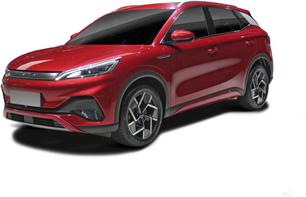
No car demonstrates this better than the BYD Atto 3, which is one of the most popular electric vehicles in Australia. But after an initial surge of buyers happy for a more affordable EV, BYD needs to find fresh ways to attract new customers.
So, for this updated 2024 Atto 3, BYD has made it cheaper and added some key new equipment, while retaining its previous strengths in terms of value and technology.
While it has a few quirks and flaws, there is a lot to like about the Starray. For starters, the value it offers at its price point is excellent and will really put pressure on its competition. The design may lack flair, but it does have a roomy cabin with a good multimedia system, so it’s family friendly and easy to live with.
Yes, it could do with some refinement of its on-road manners and driver assistance features, but for the value it offers and the frugal powertrain, it will no doubt find plenty of buyers who enjoy its substance and not just its memorable name.
Note: CarsGuide attended this event as a guest of the manufacturer, with meals and accomodation provided.
BYD hasn’t made dramatic changes to the Atto 3 for 2024, but has it done enough to lure in more buyers?
The additional equipment, namely the larger infotainment screen and new tyres, will certainly help make the Atto 3 more appealing. And the technology behind EVs is more understood by the average motorists, so the barriers to making the switch to electrification are dropping.
But the single biggest factor is likely to be the price. At a time when inflation (and other reasons) is driving the cost of new vehicles up, having your updated model go in the wrong direction will only help make potential buyers take notice.
Especially when you consider Toyota’s closest rival to the Atto 3, the bZ4X, starts at $66,000, while the Tesla Model Y is priced from $55,900, making both significantly more expensive propositions. Heck, the cheapest Toyota RAV4 hybrid model starts at $42,260, only marginally cheaper than the Atto 3 Standard Range.
So, if BYD can make its value argument strongly it will help lure more new buyers to take the plunge into the world of EVs.