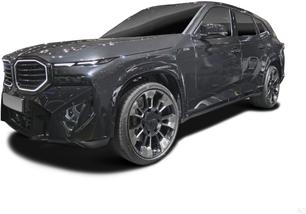
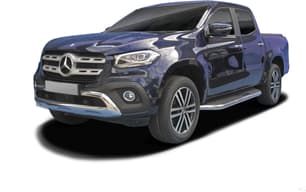
What's the difference?
BMW’s new XM is a tricky customer to pigeon-hole. Yes, it’s a huge, super-lux SUV and, yes, it’s all-wheel drive and features a station-wagon layout.
But it’s also a M-car and that infers super high performance. Weighing in one the wrong side of 2700kg, however, makes that a difficult task for any engineer.
This car also left us wondering if perhaps the glory days of M Division sports cars and coupes might behind it and SUVs like this one represent the road ahead.
But fear not: The CEO of M Division himself, assured us that the XM is a showcase for what an M badge can do, rather than a mission statement for the brand.
So, with that in mind, does this car have the wow factor that places it somewhere between peak oligarch and a motor-show concept car? Does it move the goal posts for big luxury SUVs? Does it even matter that it’s a plug-in hybrid?
Some of my favourite television shows or movies are flawed. When I talk to people about those films and about those flaws, there's a pattern - they don't know what they are and are therefore a bit confused. I don't know why that appeals to me, it just does.
Cars can be like that. There are some cars that aren't sure what they are. One of the exemplars of this is the Toyota C-HR - a small SUV aimed at young get-up-and-go types but bought almost exclusively by baby boomers, attracted to the badge. Young folks want more performance, lower cost and Apple CarPlay.
Hindsight suggests that the less-than-stellar sales performance of the much-heralded Mercedes ute, the X-Class, might be down to confusion. Mercedes thought it would be one thing and it turns out the market thinks it's another.
It’s pretty obvious the XM is designed to impress people with big wallets and an appetite for a techy experience that’s also not without a few green credentials. The ability to motor around as a fully-electric vehicle for up to 80km or so is a big plus and the electric-ballroom interior vibe is hard to ignore, as well.
But from our perspective, the full-fat, twin-turbo V8, while offering startling performance, is perhaps a lost opportunity to follow some of BMW’s competitors into the engine-downsizing space. Then again, when you floor the throttle and 2700kg hurtles forward like a big dog on a short chain, you can see where BMW is coming from.
Perhaps the biggest letdown is the ride quality – or lack of it. While it’s understandable BMW wanted the most dynamic version of the XM it could manage, the end result plays against the vehicle’s otherwise long suit of hyper-luxury. Doubtless, BMW would argue that to soften the chassis would have been to introduce a chink into a no-compromise product. But, perhaps, sometimes a sensible compromise is the way forward.
The X was an opportunistic shot at a market segment new to Benz. With even apprentices able to afford to buy a well-specced Hilux, it's become harder to separate the foreman from the kids. I, like Mercedes, thought this would be the boss's car. Mercedes saw the gap and went for it, thinking it could grab sales from top end utes from VW, Toyota and Ford, while maybe saving a few folks from buying a RAM or an F150.
The problem is, the target market knows its utes. And in a rough-and-tumble workplace, the perception is that if you've spent up big on this Merc, you've actually just paid too much for a Nissan Navara. Still, like those flawed movies I enjoy, the X-Class is a fine thing - and I don't blame Mercedes for trying. It just costs too much, and yet isn't Mercedes enough to justify that price.