What's the difference?
The dual-cab ute market and light truck market are potentially two very different landscapes.
While the dual-cab continues to storm the sales charts in Australia, there’s also a growing awareness among hardcore users of these vehicles, that a light truck might often be a better solution.
Better payloads and higher Gross Combination Mass ratings in an age of increasing legal and insurance concerns over overloaded vehicles, were once the light truck’s strong suit. But these days, vehicles like the full-sized US-made pick-ups and even the muscled-up Ford Ranger Super Duty have bridged or even exceeded that gap.
At which point, the light-truck’s benefits become the ease with which it can take on heavier jobs and the sheer size of the cargo and cabin area, not to mention those truck-specific qualities born of generations of refining a concept.
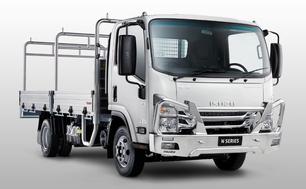
In Australia, it’s Isuzu that absolutely brains the opposition in sales terms. And part of the reason for that has been a realisation that not all would-be buyers want the hassle of the traditional truck-buying process of purchasing a bare chassis and then equipping it so suit their needs.
Which is where Isuzu’s RTW (ready To Work) concept comes in. You simply choose the truck you want, choose a tray, van or service body and then let Isuzu deal with it and phone you when it’s ready to collect.
It's so simple, it’s a wonder not everybody is doing it.
The other news is that Isuzu has finally updated its popular N Series fleet after about 16 years. A new cabin, extensive chassis changes, uprated engines, and all-new transmission, improved suspension and a new focus on safety are all headlines. But 16 years is a long time between drinks, so do the improvements make enough of a difference to keep the concept relevant in a changing market?
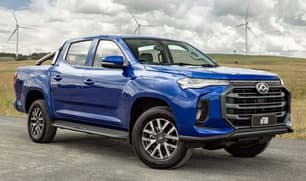
This is it: Australia’s first fully electric ute.
It is telling of the times that the eT60, a dual-cab, no less, doesn’t come from a traditional titan of Australia’s car market like Ford, Nissan or Toyota.
Instead, it comes from Chinese upstart, LDV. The brand has already made a name for itself importing affordable alternatives to these mainstream rivals.
The combustion version of the T60 is chipping away at the market share of established names, commanding nearly six per cent of the light commercial market, placed fifth behind Mitsubishi.
Can the brand be more than a cut-price option, though? Does it have what it takes to be a first-mover with its all-electric dual-cab? We drove a pre-production example at its Australian launch to find out.
A truck like the NPR (or any other truck, really) is never going to replace a dual-cab ute in terms of its duality. While the latter can tend to weekday chores and be quickly reconfigured for weekend fun, the light truck has no such facility. Nope, it’s a workhorse. Period.
You need a fair bit of real estate just to park the Isuzu overnight and it certainly won’t fit in the typical supermarket car space. It’s hardly sporty to drive, either, although the latest upgrades have made it more user friendly in a total sense and safer than ever before.
But what it does do that a dual-cab ute can’t often do, is tackle bigger, heavier jobs with a fair bit of bandwidth still up its sleeve. And if the nine-to-five side of things is where you need to be, then a vehicle like this has to be worth a look. And if you consistently find that you’re sailing close to the wind in terms of exceeding a ute’s legal payload, towing capacity or GCM, then the extra bigness of a light truck could make a huge difference.
That’s especially so given the price tag. Okay, you’re not buying a lot of high tech for your money, but you are getting some seriously stout engineering and an expectation that you won’t be working the thing to death anytime soon.
Note: CarsGuide attended this event as a guest of the manufacturer, with meals provided.
The eT60 presents as an electric vehicle clearly converted from a combustion vehicle to take advantage of being first in our market.
It comes with some significant downsides, from the lack of key specifications and safety equipment to the downright average drive experience, but in other areas it’s specified right, with decent charging specs, and surprisingly good software on that centre multimedia screen.
In some ways, these impressions are a reflection of how far the ute market has come in Australia in the last few years, with many commercial offerings now feeling just as complete as passenger cars in terms of specification and driving prowess.
LDV has left open the door for future tweaks and improvements to the eT60’s spec, ride, and features, and we’re keen to get it in for a longer test in the near future. Either way, though, the brand says it has no shortage of buyers lining up to be a part of the zero emissions future of commercial vehicles.