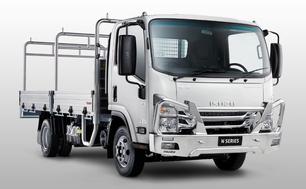
Hyundai Ioniq vs Isuzu NLS

What's the difference?

VS
Hyundai Ioniq
Hyundai Ioniq

$22,990 - $32,910

2021 price

Isuzu NLS
Isuzu NLS

$63,948 - $93,594

2026 price

Summary

2021 Hyundai Ioniq
2026 Isuzu NLS
Safety Rating

Engine Type
0.0L

Diesel Turbo 4, 5.2L
Fuel Type
Electric

Diesel
Fuel Efficiency
0.0L/100km (combined)

0.0L/100km (combined)
Seating
5

3
Dislikes
  • Feels very heavy
  • Design won't be for everyone
  • Still a little too pricey for mass adoption

  • Left-foot braking impossible
  • No recreational aspirations
  • Needs plenty of space to park
2021 Hyundai Ioniq Summary

Hyundai's Ioniq range is nothing if not a flex in the face of Toyota.

Sure, Toyota has a dominating position in the Australian market, with its well-received range of hybrid models, but what happens after hybrid? Hyundai takes on the blocky Prius formula with not only a directly competing hybrid model, but a plug-in and a fully electric version, too.

This expansive range is as though Hyundai is trying to demonstrate it's ready for any future, near or far, and guess what, Toyota? Anything you can do; the Korean juggernaut thinks it can do better.

These cars aren't really designed to sell so much as they are offerings for early adopters, but a few years after its launch, with a host of rivals set to take it on, and an entire sub-brand based on the Ioniq just around the corner, is Hyundai's top-spec Ioniq electric  worth a look? I took one for a week to find out.

View full pricing & specs
2026 Isuzu NLS Summary

The dual-cab ute market and light truck market are potentially two very different landscapes.

While the dual-cab continues to storm the sales charts in Australia, there’s also a growing awareness among hardcore users of these vehicles, that a light truck might often be a better solution.

Better payloads and higher Gross Combination Mass ratings in an age of increasing legal and insurance concerns over overloaded vehicles, were once the light truck’s strong suit. But these days, vehicles like the full-sized US-made pick-ups and even the muscled-up Ford Ranger Super Duty have bridged or even exceeded that gap.

At which point, the light-truck’s benefits become the ease with which it can take on heavier jobs and the sheer size of the cargo and cabin area, not to mention those truck-specific qualities born of generations of refining a concept.

In Australia, it’s Isuzu that absolutely brains the opposition in sales terms. And part of the reason for that has been a realisation that not all would-be buyers want the hassle of the traditional truck-buying process of purchasing a bare chassis and then equipping it so suit their needs.

Which is where Isuzu’s RTW (ready To Work) concept comes in. You simply choose the truck you want, choose a tray, van or service body and then let Isuzu deal with it and phone you when it’s ready to collect.

It's so simple, it’s a wonder not everybody is doing it.

@carsguide.com.au Future of reversing cameras revealed! This 2026 Isuzu N Series feature is potentially lifesaving #isuzu #nseries #truck #tradies #fyp ♬ original sound - CarsGuide.com.au

The other news is that Isuzu has finally updated its popular N Series fleet after about 16 years. A new cabin, extensive chassis changes, uprated engines, and all-new transmission, improved suspension and a new focus on safety are all headlines. But 16 years is a long time between drinks, so do the improvements make enough of a difference to keep the concept relevant in a changing market?

View full pricing & specs

Deep dive comparison

2021 Hyundai Ioniq 2026 Isuzu NLS

Change vehicle