What's the difference?
Citroen, the famous French manufacturer founded in 1919, has achieved global acclaim for daringly bold and brilliant design and engineering that was often ahead of its time.
Despite this, the double chevron badge has suffered a tumultuous ride since the 1970s, including a lifesaving merger with Peugeot in 1976, followed by another near-death experience for Peugeot-Citroen (PSA Group) in 2012.
Since then, though, major restructuring has seen a remarkable turnaround. Under Inchcape Australasia, which took over PSA’s local distribution in 2017, Peugeot Citroen Australia has a fresh focus on light commercial vehicles, with the venerable Citroen Berlingo holding centre stage with its class-leading payload capacity.
Even so, with less than seven per cent of the local small van segment (under 2.5 tonne GVM), the Berlingo’s market share is dwarfed by French rival Renault’s Kangoo, with 25 per cent, and VW’s kick-butt Caddy, which now commands more than 65 per cent.
However, with an all-new Berlingo range just around the corner and super deals being done with the current model in run-out mode, we put one to work for a week to see if it would be worth a trip to your local Citroen dealer to bag a bargain.
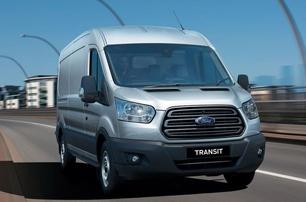
Meet Ford’s electric pioneer for Australia - the E-Transit.
It may not be as exciting as a Tesla Model S, Porsche Taycan or Audi e-tron, but this electric version of the Blue Oval’s large van will help create a new market for zero-emissions commercial vehicles.
This is seen as a major opportunity by Ford to provide an electric alternative to typically diesel-powered vans, which will no doubt prove popular with fleet operators looking to cut fuel costs and corporate emissions. While unlikely to suit all van buyers, thanks to its limited range and recharging restrictions, for those companies with shorter delivery routes it will certainly have appeal.
Ford’s research (performed by YouGov) suggests up to 58 per cent of business “can see EVs becoming part of their vehicle fleet in the future".
But it’s just Ford’s first step into the larger world of electric vehicles. We’ve already had confirmation the smaller E-Transit Custom is headed our way and there are good odds the Mustang Mach-E will eventually find its way to Australian showrooms, so there’s plenty of exciting models in store for Ford.
In the meantime, though, the E-Transit isn’t due in Australia until sometime in the first half of 2023, but CarsGuide was able to take one for a test drive near Ford’s Detroit headquarters recently to get a taste of what’s to come.
Given Citroen’s proud heritage of innovation, the Berlingo has a few unique and quirky features, but is overall quite conventional in its design and performance (though in a well thought-out and practical package).
With sub-$20K run-out pricing, it should have plenty of appeal for commercial customers, as it costs much less than its major rivals yet offers a superior payload.
Ford has taken an unorthodox approach to entering the electric vehicle market in Australia, avoiding the hype around the Mustang Mach-E and F-150 Lightning and instead laying the foundations with the E-Transit.
But it’s a savvy move, giving the brand a chance to enter what should be a largely untapped market with a vehicle that should appeal to what buyers are looking for. With unchanged space compared to the diesel-powered Transit, the switch to a more powerful electric powertrain makes the E-Transit a win-win scenario for those with a suitable daily driving routine.
Note: CarsGuide attended this event as a guest of the manufacturer, with travel, accommodation and meals provided.