







.jpg)

.jpg)

.jpg)



.jpg)


.jpg)
Australia is one of the most fiercely-contested sales arenas in the world today, with more than 60 brands and counting fighting for a modest 1.2-million-unit market annually.
Tough doesn’t even start to explain the situation.
Now, with the recent Climate Change Authority’s recommendation that electric vehicle (EV) sales jump from today’s 10 per cent market penetration to at least 50 per cent by 2035 to achieve emissions targets, it is vital that Australian buyers willingly take the leap into full electrification.
-
 Have you driven a Ford EV, lately? The hybrid and electric cars, SUVs and utes with legendary names that Australians deserve to drive - should the Ford Explorer, Maverick and more make it Down Under?
-
China's greatest cheap EV! Smash-hit Geely Geome targets smaller electric cars and crossovers like the BYD Dolphin, Hyundai Inster and Toyota Yaris Cross hybrid... but will it come to Oz?
-
Famous car to return! 2026 Nissan Micra EV is a rebadged 2026 Renault 5 E-Tech that offers over 400km of range, but will it come to Australia?
To that end, here are five EVs not-yet available locally that could lure consumers in. Let’s go.
Ford Explorer EV
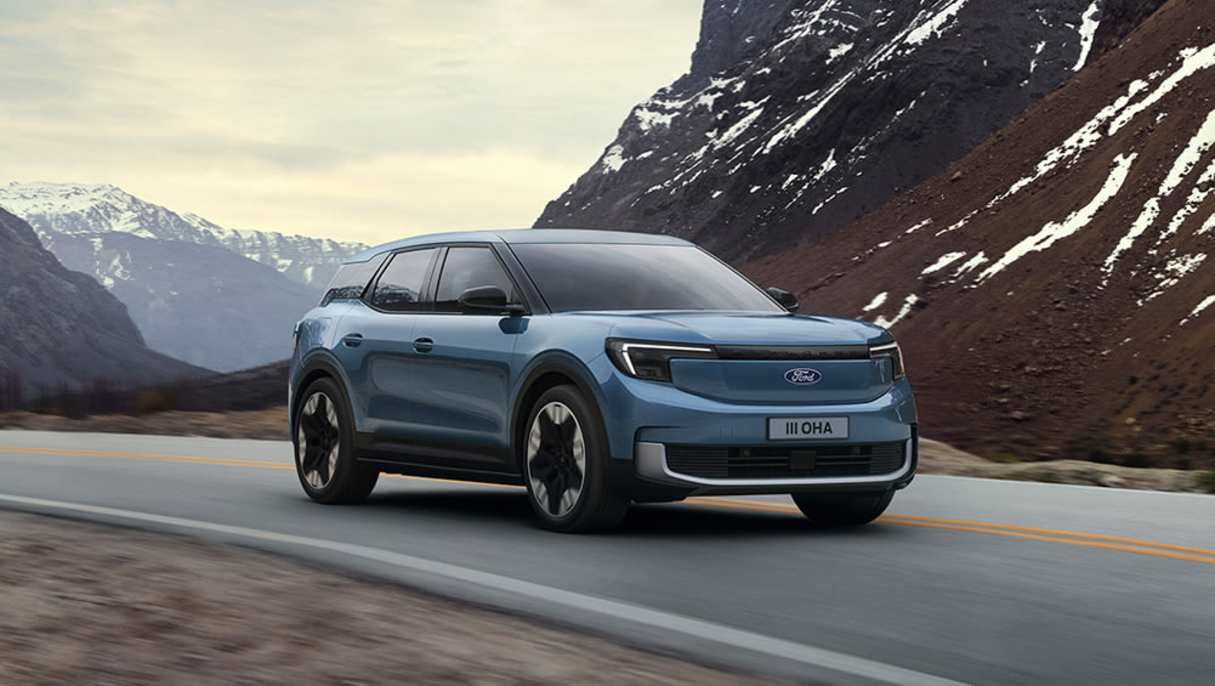
Built at the old Fiesta supermini factory in Germany, the inexplicably-named Explorer EV (no relation at all to the larger, non-electric American Toyota Kluger-sized SUV with exactly the same badge – are there no other names, Ford?) is not what it seems.
Under the boxy exterior is a Volkswagen ID.4 mid-sized EV SUV. This is a strong basis for any family-friendly electric car, offering a pleasing depth of quality engineering. Ford’s contribution has been in its unique styling inside and out, as well as on-brand dynamic tuning.
Launched last year, initial sales in Europe tanked, but demand has really started to pick up lately, as consumers respond to the Explorer’s chunky styling, involving handling and sophisticated interior. With up to 600km of WLTP range available, efficiency is also impressive.
This Euro Explorer is exactly the sort of EV Ford Australia needs: handsome, athletic, capable and clean.
Especially as the New Vehicle Efficiency Standard (NVES) will increasingly penalise carbon-heavy polluters like diesel-powered utes and SUVs – which is what Ranger and Everest are respectively, making up about 90 per cent of total local Ford sales.
But there are no plans for Explorer EV to be imported. It seems like a no-brainer. What a shame.
Renault 4 E-Tech

The retro-chic Renault 5 E-Tech city car is a sales and critical success, and deservedly so, offering an alluring blend of style, affordability and technology. Europeans are going gaga over this French supermini, and all indications suggest we soon will be, too. Fingers crossed.
But its big brother, the Renault 4 E-Tech, might be an even-better fit for Australia, given it is a higher-riding SUV/crossover, with proper practicality lurking underneath that utilitarian design. With only hints of the original, ground-breaking R4 of 1961 – widely considered to be history’s first volume hatchback – the 2025 reimagining treads a fine line between post-modern-cool and ultra-contemporary-funk.
Fun fact: unlike the original Renault 5 supermini of the 1970s, Australians could actually buy the first R4, from 1963 to 1967, and it was even manufactured in Melbourne.
Geely Geome

Chinese giant Geely has the resources and might to stamp its authority in the bottom end of the EV market in Australia with this – the Geome Xingyuan.
And an anticipated sub-$30,000 entry price wouldn’t be the light urban crossover’s only strength.
Aimed at the BYD Dolphin, GWM Ora and Hyundai Inster, the Geome has gone gangbusters back in China, with buyers liking and subscribing its cutesy organic styling, surprisingly spacious cabin and ease of operation – aided by plenty of pep, perky handling, decent range and a generous wad of safety tech. What’s not to like from an EV that, in China, kicks off from well-below $20K? At $25K the Geome would rule.
Fiat Grande Panda

With a name like that, this European EV supermini sounds like it should be Chinese, but the Grande Panda is very much an elegant – and thoughtful – slice of Italian design.
Based on Stellantis’ Smart Car Platform that supports internal combustion engines as well as battery electric tech, accessibility was high on the Grande Panda’s engineering brief, meaning that, were it to join its glamorous 500e supermini sister in Australia, it should be priced very competitively. Like history’s best Fiats have always been.
This is the sort of fun and fiery yet ultra-functional city car that the company is famous for – and the retro styling that harks back to the beloved, Giugiaro-penned 1980 Panda original makes no bones about that. Interesting detailing, great proportions and an inviting interior presentation are further drawcards, proving that Italy still knows how to make cracking small cars. And did we mention the Grande Panda was designed to be attractively priced?
Nissan Micra
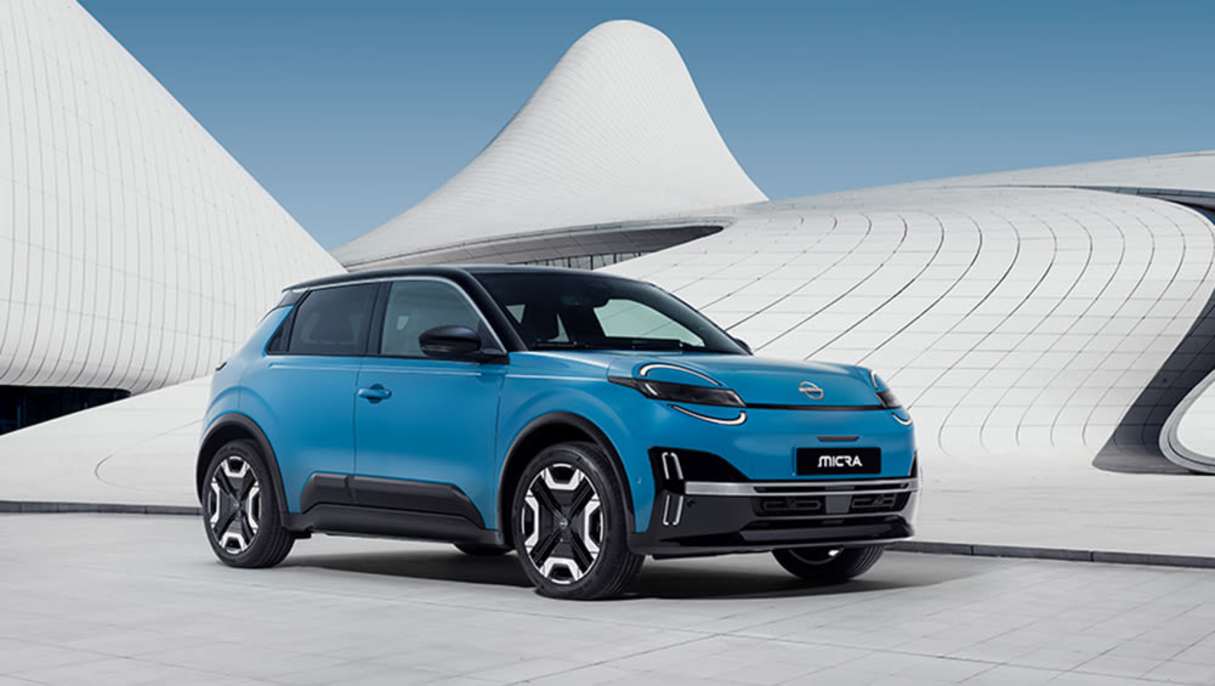
OK. This is little more than the high-flying Renault 5 E-Tech wearing a 2000s-era Mk3 Micra-esque face with adorable semi-circular LEDs to set it apart.
But, in an era of capable if unexciting SUVs, ageing utes and even-older 4WDs, Nissan deserves to offer something fresh and youthful.
And, anyway, until the late 2010s and Tesla Model 3, the brand’s Leaf small car was the most successful EV in history. Whether lightning strikes twice with the vital third iteration from next year remains to be seen, but in the meantime, the Micra EV proves that there is real heart as well as a sense of fun at Nissan. Even if it is so clearly little more than a badge-engineered R5. But there could be worse cars to be based upon.


.jpg)
.jpg)