Abarth 124 vs Isuzu NLS

What's the difference?

VS
Abarth 124
Abarth 124

2019 price

Isuzu NLS
Isuzu NLS

$63,948 - $93,594

2026 price

Summary

2019 Abarth 124
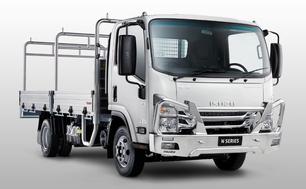
2026 Isuzu NLS
Safety Rating

Engine Type
Turbo 4, 1.4L

Diesel Turbo 4, 5.2L
Fuel Type
Premium Unleaded Petrol

Diesel
Fuel Efficiency
6.7L/100km (combined)

0.0L/100km (combined)
Seating
2

3
Dislikes
  • Annoying turbo-lag
  • Tight cabin
  • Pricey

  • Left-foot braking impossible
  • No recreational aspirations
  • Needs plenty of space to park
2019 Abarth 124 Summary

When you take on a classic you’d better get it right.

Which is why, back in 2016, when Fiat released a new 124, many an eyebrow was arched.

The original was an icon from the late 1960s, the golden age of roadsters. Styled by Pininfarina, it also oozed Italian swagger and, to top it off, its double overhead cam engine (modern at the time) helped introduce a swathe of innovations to the Italian automotive scene.

Even 50 years later, those old boots were looking awfully hard to fill, and the complexity and demands of today’s economy had Fiat working with Mazda to use its MX-5 chassis and Hiroshima manufacturing facilities to get it right.

A travesty? To some, maybe. But the MX-5 once aimed to emulate cars from the original 124’s golden era, and was a runaway success since, arguably making few missteps.

Thus, the apprentice has become the master. So, does today’s 124, which we only get in angry Abarth spec in Australia, bring something different to the ultra-refined roadster formula in 2019? Is it more than just a badge-engineered MX-5?

I took an Abarth 124 – the latest Monza limited edition – for a week to find out.

View full pricing & specs
2026 Isuzu NLS Summary

The dual-cab ute market and light truck market are potentially two very different landscapes.

While the dual-cab continues to storm the sales charts in Australia, there’s also a growing awareness among hardcore users of these vehicles, that a light truck might often be a better solution.

Better payloads and higher Gross Combination Mass ratings in an age of increasing legal and insurance concerns over overloaded vehicles, were once the light truck’s strong suit. But these days, vehicles like the full-sized US-made pick-ups and even the muscled-up Ford Ranger Super Duty have bridged or even exceeded that gap.

At which point, the light-truck’s benefits become the ease with which it can take on heavier jobs and the sheer size of the cargo and cabin area, not to mention those truck-specific qualities born of generations of refining a concept.

In Australia, it’s Isuzu that absolutely brains the opposition in sales terms. And part of the reason for that has been a realisation that not all would-be buyers want the hassle of the traditional truck-buying process of purchasing a bare chassis and then equipping it so suit their needs.

Which is where Isuzu’s RTW (ready To Work) concept comes in. You simply choose the truck you want, choose a tray, van or service body and then let Isuzu deal with it and phone you when it’s ready to collect.

It's so simple, it’s a wonder not everybody is doing it.

@carsguide.com.au Future of reversing cameras revealed! This 2026 Isuzu N Series feature is potentially lifesaving #isuzu #nseries #truck #tradies #fyp ♬ original sound - CarsGuide.com.au

The other news is that Isuzu has finally updated its popular N Series fleet after about 16 years. A new cabin, extensive chassis changes, uprated engines, and all-new transmission, improved suspension and a new focus on safety are all headlines. But 16 years is a long time between drinks, so do the improvements make enough of a difference to keep the concept relevant in a changing market?

View full pricing & specs

Deep dive comparison

2019 Abarth 124 2026 Isuzu NLS

Change vehicle