What's the difference?
The 2008 is kind of a big deal for Peugeot - the old car was a bit niche and people didn't really know what it was. It also had a whiff of last-decade Peugeot whereas this one is proper 2021, fashion-forward Peugeot. The brand has changed so much in the past few years that it's even going to slap a new logo in its big grilles in the coming months.
Peugeot's product strategy was missing that important, late-millenial/early Gen X grabbing compact SUV, a cheaper entry to the brand that attracts fans of good design with a plenty of readies in their pockets. Basically the people Mini's Countryman, BMW's X2, Audi's Q2 and VW's T-Roc and T-Cross are going after. So not an easy task, then.
The local importer knows it needs to find younger customers to hook into the brand, because the halo of its turn-of-the-century success, the 306, has now faded. People like me will buy Peugeots because they wanted a 306, are Francophiles or are just plain contrarian (in my case, all three). Peugeot needs an in. The 2008 might just be it.
Can it really be eight years since we first lay eyes on the current-shape Mini – and 20 seasons since the BMW-led brand revival burst onto the scene?
With much input from now-defunct Rover, the 2001 R50 was all about reinvention, attitude, fashion and athleticism for the new millennium. These also defined the two following generations (R56 of 2006 and F56 of 2013), along with stingy equipment levels and laughably high-priced options. On-paper value-for-money was never a Mini strong suit.
But fads come and fads go, and by early 2021, BMW seemed to have finally realised that Mini fans are ageing and the market is changing, as reflected in the ever-smaller pool of city cars and superminis. The days of looking cool at the wheel of this retro icon are long gone.
Result? A couple of years into the F56’s facelift – which itself brought a long list of improvements to help keep the old show-pony fresh – BMW has ushered in another round of updates, streamlining the way you buy a Mini in the process via – shock, horror! – ‘free’ specification packages.
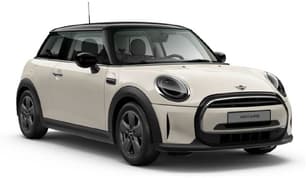
We take a look at the popular Cooper 3DR Hatch Classic Plus to see if the Mini’s still got it for 2022.
The 2008's score is slightly hurt by the price and the lack of advanced safety features (mostly reverse cross-traffic alert) but is boosted by the fantastic looks, great dynamics and avant-garde interior. While it certainly isn't the cheapest compact SUV, it certainly is one of the most stylish and, in some ways, innovative.
Peugeot has a mountain to climb in Australia, a hangover from more than a decade of indifferent or oddball cars. The 2008 is a key plank of its premium strategy and that will become more important when it throws the full EV e-2008 at us later this year, or early next. This 2008 is the car to grab those younger buyers, I just wonder if they're keen enough to stump up the cash.
It’s reassuring to realise that the British-built Mini’s German masters have not stood still over the past eight years.
This second facelift of the third-generation Cooper three-door hatch has freshened up the appearance on the outside, improved the look inside and provided a refined yet dynamic driving experience that fits in with the British brand’s reputation.
But the real shock is how reasonably priced the Classic Plus package is, especially when you consider that the Mini provides a truly unique proposition that’s backed by reassuringly high-quality BMW engineering.
A Cooper offering decent value-for-money? In 20 years, that’s certainly a first worth celebrating.