What's the difference?
Numerous commercial van manufacturers are adding battery-electric vehicle (BEV) variants to their model line-ups.
Anecdotal evidence suggests these vehicles are best suited to city and suburban fleet duties, in which they cover short-loop daily driving distances that are comfortably within a manufacturer’s claimed battery range and return to depots each day to be recharged.
However, given that it’s still relatively early days for electric vans, potential buyers are faced with numerous potential deal-breakers compared to conventional internal combustion engine (ICE) equivalents.
These include higher purchase prices, limited driving ranges, longer 'refuelling' times, heavier kerb weights (due to their large batteries) and resulting smaller payload ratings. And they are usually not rated to tow.
However, they can also offer lower operating costs. And they produce zero tailpipe emissions, which according to Mercedes-Benz "creates a powerful marketing tool (for buyers) to demonstrate their commitment to operating sustainably".
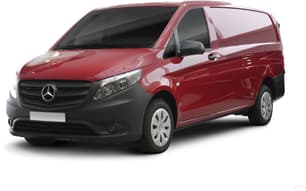
We recently trialled M-B’s Vito-based contender in this pioneering LCV market segment, to see how it measures up in Australia’s highly competitive medium-sized (2.5-3.5-tonne GVM) van market.
MG needs a win, and the MG4 Urban may be the right car at the right time to give the Chinese brand a major boost.
It has been a rough few years for MG, with sales in decline for the past two years, which has seen it tumble from Australia’s favourite Chinese car maker to a distant fourth place behind BYD, GWM and Chery.
Part of that could be because of its rapid expansion, both in terms of its total number of models but also the size of the vehicles it’s offering. The larger QS SUV and U9 ute have both received underwhelming responses from the car-buying public.
So, MG has returned to its roots - small, affordable cars. The MG4 Urban, not to be confused with the MG4 Hatch, is its new price-leading electric car and the company’s new management hopes it leads a sales revival.
It’s arguably the best-looking mid-size van on the market, particularly with the optional enhancements fitted to our example. And its longer (km-based) service intervals and capped-price servicing costs offer substantial savings compared to a diesel Vito equivalent.
However, the eVito has a much higher purchase price, smaller payload, shorter driving range, can’t tow a trailer and feels a tad under-powered at low speeds. Plus filling its battery with fresh charge takes much longer than filling a tank with diesel, which may or may not be an issue depending on planned usage.
Therefore, a buyer would need to have not only a sizeable purchasing budget but also very specific and resolute criteria for this vehicle to shine in a commercial role.
The MG4 Urban is not only the right car at the right time, perfectly catering to buyers looking to avoid rising petrol prices, it’s also a welcome return-to-form for MG as a brand.
MG is seemingly at its best when it sticks to small cars. It has traditionally excelled with the MG3 and ZS, smaller, more affordable products that keep expectations in check and can win over customers looking for the best bang-for-their-buck rather than simply the best car.
That’s not to say the MG4 Urban isn’t a good car. It offers tremendous value for money, excellent interior space and drives nicely, so anyone who has been considering making the switch to an EV should seriously consider this new arrival.
Note: CarsGuide attended this event as a guest of the manufacturer, with meals provided.