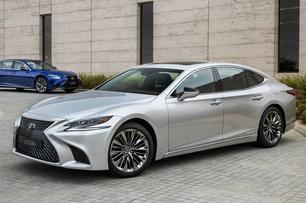
Lexus LS500H (hybrid) vs Volvo XC90

What's the difference?

VS
Lexus LS500H (hybrid)

2021 price

Volvo XC90
Volvo XC90

$97,990 - $130,990

2026 price

Summary

2021 Lexus LS500H (hybrid)
2026 Volvo XC90
Safety Rating

Engine Type
V6, 3.5L

Turbo 4, 2.0L
Fuel Type
Premium Unleaded/Electric

-
Fuel Efficiency
6.6L/100km (combined)

1.8L/100km (combined)
Seating
5

7
Dislikes
  • Styling looking a little dated
  • Multimedia system too downmarket and also looking dated
  • A bit more driver involvement would be terrific

  • Old school EV driving range
  • Clunky third row set-up
  • Unsettled low-speed ride
2021 Lexus LS500H (hybrid) Summary

Lexus is returning to its roots and playing to traditional strengths with the 2021 LS update, as the Japanese luxury brand braces itself for the imminent release of an all-new Mercedes-Benz S-Class.

On sale now from $195,953 before on-road costs, the facelift ushers in a raft of comfort, refinement, driveability and technological upgrades, striving to deliver the quietest and most luxurious experience in the upper luxury sedan segment.

The blink-and-you'll-miss-it makeover runs to redesigned headlights, wheels, bumpers and tail-light lenses, as well as the inevitable multimedia screen update, improved seating revised trim and better safety.

Along with an all-in equipment list and unparalleled levels of ownership benefits, the goal is to emulate the dramatic differences that existed between the LS and its mostly German competition more than 30 years ago, which helped make Lexus a disruptor, decades before the term was even coined.

The MY21 range will continue offering two grades – the racier F Sport and opulent Sports Luxury – in either V6 twin-turbo petrol LS 500 or V6 petrol-electric hybrid LS 500h powertrain choices, as per the XF50-generation's Australian debut back in late 2017.

The question is: has Lexus gone far enough with its limousine flagship?

View full pricing & specs
Interested in a Lexus LS500H (hybrid)?
2026 Volvo XC90 Summary

The first-generation Volvo XC90 remained on sale for 12 years in Australia before being replaced by the handsome second-gen version that recently clocked up a decade of sales.

There’s a reason for the longevity. People love the Volvo XC90. It is a reliable seven-seat family-friendly SUV with a premium bent. You’ll spot loads of these at fancy private school drop off.

Volvo has extended the life of the second-gen XC90 with a significant late-life update. It adopts some features from its stablemate, the similarly sized and positioned EX90 electric SUV.

It doesn’t get a fully-electric powertrain but you have the choice of a mild-hybrid grade that acts as the range opener and the well-equipped T8 Plug-In Hybrid I’m testing.

Interestingly, a number of this car’s rivals have had their lives extended, too. As many carmakers pour billions into EVs, they’ve taken to delivering major updates to older internal combustion platforms rather than developing all-new underpinnings. The Audi Q7 and BMW X5 are other examples of this.

For the update, Volvo has ushered in a front-end design refresh, a fresh take on the interior, new multimedia and safety tech, a light tweak to suspension and new colours and wheels.

But is this enough to keep premium SUV buyers interested? Let’s find out…

View full pricing & specs

Deep dive comparison

2021 Lexus LS500H (hybrid) 2026 Volvo XC90

Change vehicle