What's the difference?
Chinese newcomer GAC couldn’t have timed the arrival of its Aion UT in Australia any better.
At the time of writing, we were in the midst of another Middle East-related fuel crisis, and more buyers than ever before were considering switching to their first electric car.
It’s a good thing there hasn’t ever been a better time to buy one, especially with price tags getting lower and lower thanks to keen new players like GAC.
The Aion UT, which is a vaguely Corolla-sized hatchback is now one of the most affordable new EVs on the market, and aims to outfox its primary rivals, like the BYD Dolphin and GWM Ora.
But, as you may have figured out by now, newcomer brands can come with their fair share of quirks. So, is the Aion UT the affordable hatchback it needs to be? We went to its Australian launch to find out.
We appear to have reached a tipping point in the acceptance of electric vehicles in this country. The early adopters have made their switch but the technology has become more widely accepted, so now carmakers need to woo buyers with conventional means.
That means the tried and tested methods for making any car more appealing to a customer - lower cost and more equipment.
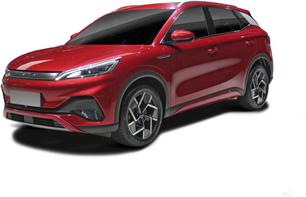
No car demonstrates this better than the BYD Atto 3, which is one of the most popular electric vehicles in Australia. But after an initial surge of buyers happy for a more affordable EV, BYD needs to find fresh ways to attract new customers.
So, for this updated 2024 Atto 3, BYD has made it cheaper and added some key new equipment, while retaining its previous strengths in terms of value and technology.
The Aion UT is a cleverly-specified little hatchback and a great entry-point into electric motoring. The software needs a bit of work from a usability perspective, plus the spongy ride and cutesy styling might not be for everyone.Â
However, with strong points including driving range, cabin space and value, there’s even a pitch for it in some cases to be an only car compared to most of its price rivals, which are more likely to be thought of as a second car runabout in a two-car garage.
The pick of the range is definitely the entry-level Premium. It comes in at a headline-grabbing price with specs to blow rivals out of the water, while only missing out on a few luxuries.
Note: CarsGuide attended this event as a guest of the manufacturer, with accommodation and meals provided.
BYD hasn’t made dramatic changes to the Atto 3 for 2024, but has it done enough to lure in more buyers?Â
The additional equipment, namely the larger infotainment screen and new tyres, will certainly help make the Atto 3 more appealing. And the technology behind EVs is more understood by the average motorists, so the barriers to making the switch to electrification are dropping.
But the single biggest factor is likely to be the price. At a time when inflation (and other reasons) is driving the cost of new vehicles up, having your updated model go in the wrong direction will only help make potential buyers take notice.
Especially when you consider Toyota’s closest rival to the Atto 3, the bZ4X, starts at $66,000, while the Tesla Model Y is priced from $55,900, making both significantly more expensive propositions. Heck, the cheapest Toyota RAV4 hybrid model starts at $42,260, only marginally cheaper than the Atto 3 Standard Range.
So, if BYD can make its value argument strongly it will help lure more new buyers to take the plunge into the world of EVs.