BMW 530E vs Isuzu NPS

What's the difference?

VS
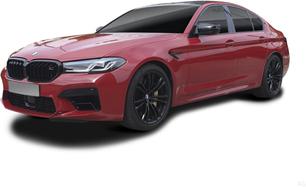
BMW 530E
BMW 530E

2021 price

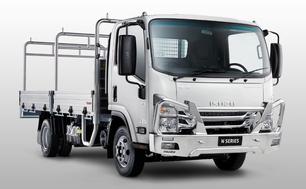
Isuzu NPS
Isuzu NPS

$96,558 - $133,527

2026 price

Summary

2021 BMW 530E
2026 Isuzu NPS
Safety Rating

Engine Type
Turbo 4, 2.0L

Diesel Turbo 4, 5.2L
Fuel Type
Premium Unleaded/Electric

Diesel
Fuel Efficiency
2.3L/100km (combined)

0.0L/100km (combined)
Seating
5

3
Dislikes
  • High price
  • Weak warranty
  • Slow 240-volt charging

  • Left-foot braking impossible
  • No recreational aspirations
  • Needs plenty of space to park
2021 BMW 530E Summary

Anyone unfortunate enough to hear me banging on about electric cars - or perhaps more accurately, electrified cars - will be aware of my undying love for the existence of plug-in hybrid electric vehicles (PHEVs). 

I love them because they offer a drama-free step into electrification. You don't need a big box on the wall to make sure you're charged overnight and because there's a petrol engine under the bonnet, as long as you've got fuel in the tank, your range anxiety disappears.

You can get around town in electrified silence and emissions-free smugness while still planning that around-Australia trip you'll never go on. It's absolutely the best of both worlds for those reluctant to take the next step. A genuine win-win, if you like.

Except that very few people buy them. Their existence in the catalogues of a number of car companies feels like a weary, "We should at least do something" from product planners. BMW has been trying with PHEVs for a while, with selected offerings in the 3, 5 and X5 range. Given the 5 Series has had its mid-life facelift, what BMW calls the LCI, it's time for another look.

View full pricing & specs
2026 Isuzu NPS Summary

The dual-cab ute market and light truck market are potentially two very different landscapes.

While the dual-cab continues to storm the sales charts in Australia, there’s also a growing awareness among hardcore users of these vehicles, that a light truck might often be a better solution.

Better payloads and higher Gross Combination Mass ratings in an age of increasing legal and insurance concerns over overloaded vehicles, were once the light truck’s strong suit. But these days, vehicles like the full-sized US-made pick-ups and even the muscled-up Ford Ranger Super Duty have bridged or even exceeded that gap.

At which point, the light-truck’s benefits become the ease with which it can take on heavier jobs and the sheer size of the cargo and cabin area, not to mention those truck-specific qualities born of generations of refining a concept.

In Australia, it’s Isuzu that absolutely brains the opposition in sales terms. And part of the reason for that has been a realisation that not all would-be buyers want the hassle of the traditional truck-buying process of purchasing a bare chassis and then equipping it so suit their needs.

Which is where Isuzu’s RTW (ready To Work) concept comes in. You simply choose the truck you want, choose a tray, van or service body and then let Isuzu deal with it and phone you when it’s ready to collect.

It's so simple, it’s a wonder not everybody is doing it.

@carsguide.com.au Future of reversing cameras revealed! This 2026 Isuzu N Series feature is potentially lifesaving #isuzu #nseries #truck #tradies #fyp ♬ original sound - CarsGuide.com.au

The other news is that Isuzu has finally updated its popular N Series fleet after about 16 years. A new cabin, extensive chassis changes, uprated engines, and all-new transmission, improved suspension and a new focus on safety are all headlines. But 16 years is a long time between drinks, so do the improvements make enough of a difference to keep the concept relevant in a changing market?

View full pricing & specs

Deep dive comparison

2021 BMW 530E 2026 Isuzu NPS

Change vehicle