What's the difference?
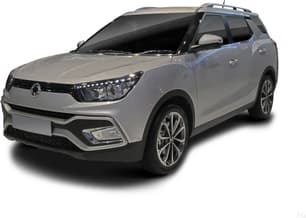
The SsangYong Tivoli XLV is about as unknown to Australian customers as cheeseburgers are to the tribespeople of the Amazon.
That is to say, if I asked your opinion of the SsangYong Tivoli XLV, you’d probably have no idea what I was on about. You may be unsure of its origins, unclear of its intentions, and generally baffled by the concept of it. The Amazonians may well feel the same way about burgers.
However, if Korean SUV specialist SsangYong has its way, the Tivoli XLV will become as hip and desirable, as Instagrammable and indulgent as the most clickable cheeseburgers out there. Geez, I’m hungry.
The Tivoli XLV is essentially a longer, taller version of the shorter, lower Tivoli, which is also coming to Australia. It keeps the Tivoli part of the name because it’s largely very similar, but the XLV has some points of difference: it’s all-wheel drive only, it’s diesel only, and it’s clearly one of the most practical small SUVs in the class.
What does XLV stand for? According to SsangYong, the acronym represents “eXciting smart Lifestyle Vehicle”.
Scratch that. Think of it as the 'eXtra Large Version' of the brand’s smallest vehicle, and you’ll be most of the way to understanding just what this big small SUV is all about.
Sometimes a name change can make all the difference.
Google used to be called “Back Rub”. The Spice Girls started off as “Touch”. And – particularly in Germany – some premium sedans became known as “coupes”, as they struggled to stay popular against SUVs.
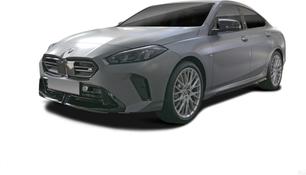
Case in point: what is essentially a 1 Series hatchback with a boot has been more glamorously badged the “2 Series Gran Coupe” since 2020.
Still following the sedan script with four doors, it’s BMW’s tilt at Mercedes’ booted A-Class hatch, the rakish CLA, unveiled early last decade as the Concept Style Coupe and now in its third series-production iteration – though since 2019 a more conservatively styled A-Class Sedan has also existed, that goes up against Audi’s A3 Sedan.
But we digress. Now there’s a “new” 2 Gran Coupe, coded F74, though it’s really a heavy facelift of the superseded F44. Oh, and the ‘i’ no longer exists in the badge, so (M-enhanced models aside) it’s just numbers from here on in. 218. 220. M235.
Regardless of names, does it live up to the BMW promise?
Depending on the pricing and specifications, the SsangYong Tivoli XLV might well offer an interesting alternative to the mainstream small SUV crowd. The safety score is a bit of a deterrent, but that may not rule it out for all buyers.
It’s almost like this is a provisional review, because we simply don’t know much about the brand’s strategy ahead of the local range rollout in November.
One thing’s for sure: just like a cheeseburger or any good laboured pun, we can’t wait to get our hands on some of the finer details from SsangYong Australia.
The badge might say one thing, but the 2 Series Gran Coupe sticks to the time-honoured template of being a compact yet comparatively practical three-box, four-door sedan, complete with a big boot.
More importantly, it drives and behaves like a BMW – which means sufficient-to-strident performance depending on grade, athletic dynamics and pleasing refinement on one hand, as well as a stiff price and a hard ride on the other.
A true BMW in name and nature, then..
Note: CarsGuide attended this event as a guest of the manufacturer, with travel, accommodation and meals provided.