What's the difference?
No good deed goes unpunished.
Porsche, a brand synonymous with petrol-guzzling sports cars, tried to do the right thing and make a nearly wholesale switch to electric vehicles by the end of the decade. The problem was, while this made governments happy, it didn’t sit well with customers.
Porsche’s all-electric Macan is enduring a torrid 2026, with sales down over 75 per cent now that all the petrol-engined options are gone.
But that hasn’t stopped the German brand trying again with an all-electric Cayenne. However, there are some key differences that mean this latest electric Porsche won’t suffer the same fate.
Namely, the petrol-powered and hybrid versions aren’t going anywhere and new versions are rumoured to be coming in the not-too-distant future.
For now though, we have this all-new electric Cayenne - so how does it stack up to its predecessors as the sports car brand’s big SUV? And will it be second time lucky for Porsche’s electric transition? Based on two rather unorthodox days of test driving, the verdict might surprise you…
Not so long ago, even the idea of 'coupe SUV' would have been considered just a little bit silly.
But not anymore. This almost contradictory bodystyle is well and truly here to stay, as evidenced by the expanding catalog of available models pouring out of premium automakers.
Benz tells us, for example, that coupe versions make up some 25 per cent of its GLE sales in Australia.
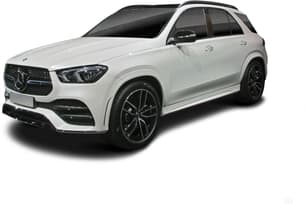
Which brings us to this car – the second-generation GLE coupe. We were sent to its international launch to find out what’s new, what’s changed, and what Benz has in store for the Australian market, come its arrival in Q3 of 2020. Read on to find out what we discovered.
There is a lot riding on this new Cayenne Electric, it is the sales leader for the German brand and if it suffers the same sales decline as the Macan, that will be a big concern for Porsche.
The good news is it’s an impressive all-rounder, with an incredible breadth of capability. But so is the electric Macan.
Going electric hasn’t diminished its trademark Porsche elements, and instead has amplified them in many respects. The speed is nothing short of staggering in the Turbo, but across the range the on and off-road driving ability is impressive.
Plus it has the kind of spacious, well-considered and premium appointed cabin you should expect for a luxury SUV.
There are two key differences that could see it succeed where the Macan has faltered. Unlike the Macan, Porsche’s decision to give Cayenne buyers the option to stick with internal combustion if they prefer, is likely to ensure it remains a popular member of its line-up for years to come.
And while the Macan was perhaps too much, too soon, the Cayenne arrives at a time when Australians are embracing electric cars more than ever before. Although the luxury and performance end of the EV market is growing more slowly than the mainstream.
As for the pick of the range, as mind-blowing as the Turbo is, the truth is (like pretty much every Porsche model) the entry-level Cayenne is arguably the pick of the bunch. It has all the performance you’ll reasonably need and offers a good blend of capability and luxury for the lowest price.
Note: CarsGuide attended this event as a guest of the manufacturer with travel, accommodation and meals provided.
Whether you like Coupe SUVs or not is an entirely subjective matter, but there’s no denying the GLE 53 is a tech and spec showcase – some of the best Mercedes has to offer. If you can get past its relatively enormous dimensions and naturally compromised visibility – it’s even a hoot to drive.
The significant proportion of GLE consumers who are picking one of these over the regular version will be pleased with its many improvements. We’ll know more about how its price and specification lines up against primary rivals closer to its Australian launch date, so stay tuned.
Note: CarsGuide attended this event as a guest of the manufacturer, with travel and meals provided.