What's the difference?
This story has been updated in February 2022 to reflect market changes and pricing adjustments for the MG3. It was originally published in the first half of 2020.
My time at CarsGuide started in October 2017, and since then I’ve booked literally thousands of cars across Australia. One car that has eluded me - and the CarsGuide team - over that period is the one you see here: the MG3. Or the MG MG3, or MG 3, if you wish.
Despite asking MG’s Australian arm countless times to loan an MG3 hatchback over that period, the company in charge of the brand’s PR in Australia refused to agree to loan us a vehicle to test. Now the company has an in-house PR team with a pretty decent fleet of press cars, yet still, no MG3.
Over the years, our desire to review the MG3 hatch - and to help you decide whether it's right for you or not - has only gotten stronger because sales have skyrocketed. Back in late 2017 the brand was averaging only a handful of cars per month - indeed, just 52 examples of the MG3 were sold in total in 2017.
Since then, the MG3 has skyrocketed, and it is the best-selling light car in Australia. In 2021, the brand moved more than 13,000 MG3s - meaning it is averaging 250 cars sold per week. Makes the paltry 2017 numbers look a bit meagre. In becoming the number-one seller in the segment, it has beaten big-name rivals including the Kia Rio, Mazda 2 and now defunct Honda Jazz, while also being well clear of the cheaper Kia Picanto, which is what many people will be shopping this car against if price is a key driver for their decision.
And that's the case in point, really - a lot of its success comes down to the price of the Chinese-built, British-badged city car. It’s cheap - but is it a cheerful experience? We got the chance to find out in 2020, thanks to a friendly MG dealership in NSW - and this review has been updated with the most current pricing, because nothing else has changed.
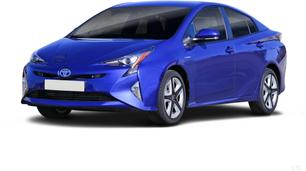
What to say about the Toyota Prius in 2021? A car that was once a technology trailblazer seems now to have become properly retro, even while it’s still being built and sold.
The awkward-looking wedge, an eco-punk icon, not only brought Toyota’s hybrid synergy drive to the masses, it also debuted the brand’s excellent TNGA architecture and set the scene for the company's absurd hybrid success, which now sees the RAV4 version topping the sales charts.
So, after all these years (25 to be precise), is the Prius’s time finally over? Or does this quaint hybrid hero still have more to offer? I took a top-spec I-Tech for a week to find out.
Aside from its safety shortcomings and underwhelming powertrain, it’s easy to see why the MG3 has become a successful part of the brand’s line-up. If you’re driving around a rural centre like I was, it makes a lot of sense.
Whether you choose the Excite model, which has a bit more visual pizzazz, or the Core model, which is our pick of the range, the MG3 is well priced, has the media tech buyers are after, is a charming looking thing that comes in a range of great colours, and is smartly packaged, too.
Thanks to the team at Orange MG for assisting us with this the loan vehicle for this review. Head to Orange MG for more information.
The Prius can rest its weary head. The Age of the Hybrid has begun. Even though this iconic eco car might have lost its ultimate purpose to more mainstream models in the last few years, it’s still the best execution of Toyota’s hybrid tech on the market and if you can look past its divisive-as-ever looks, it’s comfortable and practical, too.
The brand’s Australian division promises the Prius will stick around in one form or another, so we’re keen to see what its next iteration will look like. Plug-in? Fully electric? Time will tell.