What's the difference?
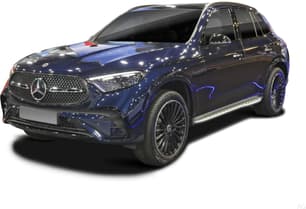
Let’s make one thing clear from the very beginning - this new Mercedes-AMG GLC63 S E Performance is technically superior to the model it replaces. Whether it’s actually better or not, is the real question at the heart of the matter.
Why? Because, like the C63 sedan stablemate, AMG has opted to replace the previous model’s 4.0-litre twin-turbo V8 engine with a new 2.0-litre four-cylinder hybrid powertrain. It was a move brought about in part because of increasingly stricter emissions standards in Europe, but also ties-in with the German firm’s success in modern Formula One racing.
While the new hybrid system offers more power, more torque and better fuel economy, as the lukewarm response to the C63 has demonstrated, the hard reality for AMG is that its buyers associate it with V8 and even V12 engines. That emotional pull is hard to replace with logic, even if the new model offers technical superiority.
But how does the new powertrain suit the GLC63 - is it just technically better or is it holistically improved?
The 2022 Mitsubishi Eclipse Cross has a new high-tech powertrain that allows it to run as an electric car, or run using the petrol engine, or even use both at the same time.
But the new hybrid SUV is not like a Toyota hybrid - because this one can be plugged in at home to recharge the batteries, and you should be able to get at least 50 kilometres of EV driving out of just a few dollars worth of electricity.
We’re talking about the new 2022 Mitsubishi Eclipse Cross Plug-in Hybrid EV, or PHEV as we’ve called it in the past. The brand has renamed it to include both ‘Hybrid’ and ‘EV’ in the name because, well, it reckons those terms have a bit more cut-through today than when the company first launched its Outlander PHEV back in 2014.
But with the new Eclipse Cross PHEV variants attracting a huge premium over the regular petrol-turbo models, does the extra money buy you a better car? Let’s find out.
Like I said right from the start, this new, hybrid version of the AMG GLC63 is technically superior to the model it replaces in every meaningful way. It is faster, more powerful and more fuel efficient and therefore a better performance SUV than the model it replaces.
Is it a better model than the one it replaces? Ultimately that will come down to how much stock you put into the soundtrack and your feelings on an AMG not powered by a V8 engine.
Because if you can see past that, then the AMG GLC63 is an absolutely fantastic performance SUV. Not only does the new powertrain make it faster in a straight line, but the chassis is very well-balanced, making for an engaging driving experience.
For those who can look past the smaller engine they will be rewarded with an incredibly fast and rewarding-to-drive member of the AMG family.
Note: CarsGuide attended this event as a guest of the manufacturer, with travel, accommodation and meals provided.
The Mitsubishi Eclipse Cross Plug-in Hybrid EV is an interesting inclusion for the brand, especially as it is typically considered a ‘value player’ in the market.
But with negligible real-world fuel consumption benefits if you drive beyond the limited EV range and a high price premium over the non-PHEV models, it’s important you see if the sums add up for your particular needs.
Primarily going to use the car for running around town? Cool. Think the 50-ish-kay EV range will work for you and make you happy? Amazing. Sold on the look of the car? Hat tipped.
But let me say this - if you are considering the Eclipse Cross PHEV, there are some alternatives you should also have on your list, including the MG HS PHEV, the Hyundai Ioniq PHEV, Kia Niro PHEV, and - the one I’d buy - a Toyota RAV4 Hybrid. For me, plug-in hybrid tech is a bit of a halfway house, in most instances offering too high a price premium for the range you’re getting to drive electric. Heck, a Kona Electric isn’t much more than the top-spec Exceed PHEV, and I’d have that if I wanted a real day-to-day EV experience.