What's the difference?
Lotus - it’s one of the most iconic names in the history of automobiles and was once Great Britain’s answer to Ferrari - on the road and the Formula One circuit.
But that was a long time ago, in the 1960s and ‘70s. Since then Lotus has been on a rollercoaster ride through various owners who put in various levels of investment, resulting in various degrees of success.
But through it all, Lotus has stayed true to the ethos of company founder, Colin Chapman - ‘simplify, then add lightness.’ It’s obviously a playful saying, but it spoke to the core elements of Lotus cars, agility and driving purity.
Lotus rarely worried about big, powerful engines and instead focused on creating the best-handling cars.
That was the past, though, because Lotus Cars is now owned by Geely, the Chinese automotive giant that also counts Volvo, Polestar, Zeekr and more under its control.
Geely’s vision for Lotus is very different to what has come before, with a future focused on building electric SUVs and sedans; such as the already released Eletre and Emeya.
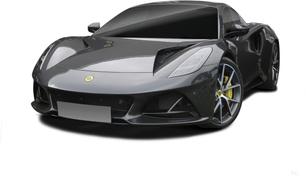
All of which is a very long way to get us to the car we’re actually testing - the MY24 Lotus Emira.
This is the last petrol-powered sports car from Lotus, and while it has been available already with a V6 engine, it has recently arrived with a Mercedes-AMG four-cylinder turbo.
Given its place in the grand scheme of things, the Emira not only needs to live up to the legacy of the iconic models that came before it, but also needs to lay the foundations for the brand’s electric future. Which is a lot of pressure for one car to carry…
Does Australia need yet another new car brand?
It’s the question I keep asking myself seemingly every other week as a new brand announces its intention to join the other 70 odd marques already competing for a slice of the Australia new-car market.
Chery made a successful re-entry into the Australian market in 2023, quickly establishing itself as a value-led brand. Earlier this year it launched Jaecoo, its more premium, adventure-focused offering and announced it would be spun-off into separate showrooms alongside the new Omoda brand.
The first Omoda-badged vehicle has now arrived, the Omoda 9 Virtue SHS (Super Hybrid System), which will join the almost-as-new Jaecoo J7 and J8 in the growing number of dealers around Australia.
So, does Australia need Omoda? Does the Omoda 9 Virtue SHS make a compelling case, in the same way the sharply-priced Chery models have?
Read on for our verdict.
If this really is the final petrol-powered Lotus sports car then it’s a sad day for fans of the brand and its history. But it’s also worthy of celebration because they have made a car that is genuinely impressive.
It may not be perfect, and it will have to fight hard to lure buyers away from Porsche, BMW and co. but for anyone who enjoys a dynamic, engaging and incredibly fun sports car the Emira should be on your short-list.
Alternatively, if you’ve always dreamed of buying a traditional Lotus sports car and haven’t got around to it until now, this is your last chance so don’t wait too long.
The arrival of Omoda and Jaecoo so soon after Chery’s Australian return just feels like a huge task to take on for the company. And given the amount of other new brands hitting local roads there is a real danger that customers will either feel overwhelmed or simply ignore many of these new models.
Trying to position Omoda as a genuine alternative to luxury brands, and even the likes of Mazda and Volkswagen, is a tough ask for the brand and its dealers. Certainly the price and styling will help attract potential buyers but to cement itself in the local market it will need to make sure it makes an impact early.
Judging the Omoda 9 on its merits, it’s a nice enough SUV and does many things well but doesn’t have any elements that really ensure it stands out from the numerous competitors it faces.