What's the difference?
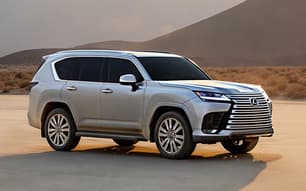
With the hugely anticipated Toyota LandCruiser 300 Series now in showrooms, the time has come for Lexus to show off its own riff on the LC300 theme. But don’t be fooled by the LandCruiser connection, the new Lexus LX models, while perfectly equipped to tackle bush tracks, are aimed at the cashed-up urbanite who appreciates an SUV with the absolute lot.
It's been almost a decade-and-a-half since the last new Lexus LX model, and in that time, the global demand for the SUV concept has gone from strength to strength, playing into Lexus’ hands somewhat. But that doesn’t mean this clean-sheet design has ignored some innovative technologies or creative design and packaging.
The new LX range covers plenty of price territory, and can be configured to handle a huge range of user profiles. And while it remains an expensive vehicle by Australian standards, there’s no doubt that it will be taken seriously by those with the means and the need for a huge SUV with the potential for serious off-road use.
In fact, the ability to cover rough terrain in supreme comfort and without sacrificing anything in the way of creature comforts, suggests that Australia (and its hordes of recreational four-wheel drivers) was never the market Lexus had in mind for the new LX. Instead, think Middle East and North America and you’re probably getting closer to the well-head of LX inspiration.
As well as a new mechanical platform, this LX also introduces a pair of new trim levels; the F-Sport and the Ultra Luxury specification.
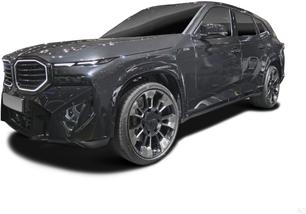
BMW’s new XM is a tricky customer to pigeon-hole. Yes, it’s a huge, super-lux SUV and, yes, it’s all-wheel drive and features a station-wagon layout.
But it’s also a M-car and that infers super high performance. Weighing in one the wrong side of 2700kg, however, makes that a difficult task for any engineer.
This car also left us wondering if perhaps the glory days of M Division sports cars and coupes might behind it and SUVs like this one represent the road ahead.
But fear not: The CEO of M Division himself, assured us that the XM is a showcase for what an M badge can do, rather than a mission statement for the brand.
So, with that in mind, does this car have the wow factor that places it somewhere between peak oligarch and a motor-show concept car? Does it move the goal posts for big luxury SUVs? Does it even matter that it’s a plug-in hybrid?
There's absolutely no doubting the new LX's off-road credentials, nor the fact that it takes luxury SUVs to new heights in the four-seat Ultra Luxury model. Do you need a massaging chair and a foot-stool to get to your camping site? Probably not, but globally, there's a distinct market for that sort of decadence.
Closer to the other end of the LX line-up, however, there's a fair bit of cross-over in price and luxury terms with the Lexus' close cousin, the Toyota LandCruiser 300 Series. That suggests there might be a LandCruiser that will do the same job for a little less money and, if that's the case, then the LX loses a little relevance, particularly the petrol-engined version here in Australia. Until, that is, you take into account buyers for whom the Lexus badge infers the bank-vault solidity and prestige that the brand has worked so hard to establish. Which is another way of saying; it all comes down to where you stand on the politics of envy.
Note: CarsGuide attended this event as a guest of the manufacturer, with travel, accommodation and meals provided.
It’s pretty obvious the XM is designed to impress people with big wallets and an appetite for a techy experience that’s also not without a few green credentials. The ability to motor around as a fully-electric vehicle for up to 80km or so is a big plus and the electric-ballroom interior vibe is hard to ignore, as well.
But from our perspective, the full-fat, twin-turbo V8, while offering startling performance, is perhaps a lost opportunity to follow some of BMW’s competitors into the engine-downsizing space. Then again, when you floor the throttle and 2700kg hurtles forward like a big dog on a short chain, you can see where BMW is coming from.
Perhaps the biggest letdown is the ride quality – or lack of it. While it’s understandable BMW wanted the most dynamic version of the XM it could manage, the end result plays against the vehicle’s otherwise long suit of hyper-luxury. Doubtless, BMW would argue that to soften the chassis would have been to introduce a chink into a no-compromise product. But, perhaps, sometimes a sensible compromise is the way forward.