What's the difference?
Ford has given its Ranger ute range a mild facelift. And mild is the word. If you look closely, you might notice some small visual changes, but the real news is under the bonnet where a new entry-level powerplant lives.
And however you look at it, this new engine that addresses the ownership issues experienced by some Ranger buyers since the bi-turbo diesel engine was released back in 2018, was probably overdue.
But the new powerplant comes at a cost; in terms of power and torque, even though the vital towing statistics remain for the Ranger.
The other changes that come with this facelift include some new tech, and the availability of the V6 turbo-diesel (which is unchanged) across the entire Ranger 4X4 dual-cab line-up.
For this review, we’ve concentrated on the new engine as being the major point of difference, and we’ve driven it the base-version XL trim specification. That means this is potentially the lightest variant, and heavier specifications might blunt the performance a little. But overall, this is representative of the new powertrain and represents the biggest point of difference in what is otherwise a very minor facelift.
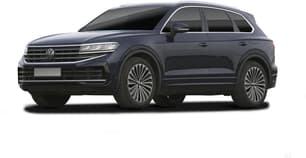
It’s big, it’s fast, it’s luxurious, Volkswagen’s Touareg has always been a stand-out large SUV.
This one, the full-fat R is the latest take on the halo Volkswagen model. It has big shoes to fill.
See, top-spec Touaregs in the past are hardly rivals to the Toyota LandCruisers and Hyundai Palisades of this world. They’re a different breed, with the first-generation Touareg powered by a variety of engines up to a 5.0-litre turbo-diesel V10, and the second-gen version packing petrol and diesel V8s in its upper levels.
They were the ultimate sleeper family SUV, ridiculous engines with rich VW Group lineage in a seemingly mainstream family-friendly package.
But this third-generation version can’t quite replicate the over-engined craziness of its predecessors. It has to think outside the box as emissions regulations crack down the world over.
This Touareg R is a plug-in hybrid. A performance-focused one at that. Can it hope to replicate the unhinged nature of its forebears and find an appropriate place atop the hierarchy of Volkswagen’s R models? Let’s find out.
Our time with the new Ranger was limited in terms of distance driven and the number of variants we could sample. We were also unable to test the vehicle with a trailer attached, so we’re unsure as to how well the new, lower-powered engine will cope with towing duties.
We do know the new engine is being welcomed by owners and fleets who held concerns over the technical layout of the previous 2.0-litre powerplant, but only time will tell if the reduced performance is seen as being balanced by the technical upgrades.
We can also tell you there’s nothing inherently wrong with the new 2.0L in the context of normal driving on normal roads and its refinement is still an improvement on a lot of its competitors’ offerings.
Note: CarsGuide attended this event as a guest of the manufacturer, with meals provided.
A car as impressive as it is frustrating, the Touareg R is a vehicle for a very specific buyer. Someone whose daily commute consists of limited distances, someone who can always charge at home overnight and someone who appreciates the subtlety of the performance and luxury the Touareg brings.
For everyone else - there are better options. Performance-focused PHEVs can be tricky to charge and extract the full benefit from, and at this price you have access to some serious performance-oriented combustion SUVs or the choice of going fully electric.
While this R-badged VW might be the most mind-bending of the lot then, it also has the most 'specific' appeal.