What's the difference?
BYD has made a big impact in a short space of time in Australia and the arrival of this all-new mid-size SUV opens the door for an even bigger future.
BYD has taken the fight to Tesla in the electric vehicle contest, and while still some margin behind the American brand the Atto 3 and Seal remain amongst the most popular rivals to the Model 3 and Y, respectively.
At the same time it has out-sold established brands including Honda, Skoda and Renault, as well as fellow Chinese newcomers LDV and Chery.
Now BYD has its sights set on upsetting the established order in one of the biggest segments in the Australian market - mid-size SUVs.
The Sealion 6 is not a name that rolls off the tongue but it does leave an impression, as does the car, as we discovered when we drove it.
We appear to have reached a tipping point in the acceptance of electric vehicles in this country. The early adopters have made their switch but the technology has become more widely accepted, so now carmakers need to woo buyers with conventional means.
That means the tried and tested methods for making any car more appealing to a customer - lower cost and more equipment.
No car demonstrates this better than the BYD Atto 3, which is one of the most popular electric vehicles in Australia. But after an initial surge of buyers happy for a more affordable EV, BYD needs to find fresh ways to attract new customers.
So, for this updated 2024 Atto 3, BYD has made it cheaper and added some key new equipment, while retaining its previous strengths in terms of value and technology.
So, should Toyota, Tesla, Hyundai and others be worried about the arrival of the Sealion 6 and BYD’s new DMi powertrains? Yes, but not because it represents any major breakthrough in technology or dynamic prowess.Â
Instead, the strength of the Sealion 6 is how average it is. It may not be the obvious class-leader in any particular area, but it does a good job in almost every measurable aspect and doesn’t possess any major flaws.
Yes, there are still questions about the long-term dependability of BYDs but that’s a risk any new owner will need to accept. But the very sharp pricing should tempt plenty of buyers to take that chance and continue BYD’s steady upwards trajectory in the Australian market.
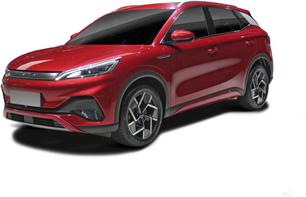
BYD hasn’t made dramatic changes to the Atto 3 for 2024, but has it done enough to lure in more buyers?Â
The additional equipment, namely the larger infotainment screen and new tyres, will certainly help make the Atto 3 more appealing. And the technology behind EVs is more understood by the average motorists, so the barriers to making the switch to electrification are dropping.
But the single biggest factor is likely to be the price. At a time when inflation (and other reasons) is driving the cost of new vehicles up, having your updated model go in the wrong direction will only help make potential buyers take notice.
Especially when you consider Toyota’s closest rival to the Atto 3, the bZ4X, starts at $66,000, while the Tesla Model Y is priced from $55,900, making both significantly more expensive propositions. Heck, the cheapest Toyota RAV4 hybrid model starts at $42,260, only marginally cheaper than the Atto 3 Standard Range.
So, if BYD can make its value argument strongly it will help lure more new buyers to take the plunge into the world of EVs.