What's the difference?
Sometimes, a vehicle facelift doesn’t amount to much. Maybe a nip here, a tuck there, but to be sure you’re looking at the new version, you need to check the badges.
To be honest, the revised Polestar 3 SUV is a bit of that, with very little to visually distinguish the facelift from the previous car. But underneath there are some serious upgrades which, in that oh-so-Swedish understated way, serve to make the Polestar 3 an even more tantalising prospect.
The Polestar 3 has now moved to 800-volt technology which not only allows for faster charging, it also opens up the prospect of even more performance. A new generation of lithium-ion batteries also means greater range potential.
But it’s nice to see that Polestar hasn’t limited its attention to the drivetrain; there’s now a revised anti-roll-bar system and a recalibration of the power steering assistance. Which just goes to show that even though brands like Polestar trade on being an all-electric solution, there are still some engineers in Sweden who know how the rest of a car should work.
Meantime, the medium-large SUV space is a very crowded one right now, so the question is whether the new tech – invisible as it is – is enough to keep the Polestar 3 carving out its slice of that market.
Range Rover has developed a bit of an image problem in the last few years.
To many the brand is still the face of a quintessentially British aspirational luxurious off-roader. But to a growing group, it has become synonymous with the concept of an environmentally reckless fuel-guzzling SUV.
They’re big, heavy, and still feature V8 engines, but Range Rover knows all too well the writing is on the wall for its increasingly infamous range of combustion vehicles.
The trouble is, customers love them, and while the I-Pace from sister brand Jaguar is a big leap into the future, there needs to be a happy medium for easing some of its existing customers away from combustion, while still offering the kinds of excess and aspirational performance the Range Rover brand is associated with.
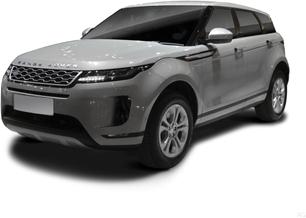
Enter this car, the Evoque HSE P300e. It’s a plug-in hybrid, notably only available in the top trim level, with top-shelf performance, too.
Is it the right car to represent Range Rover’s entry-level model at a critical time of technological transformation? Let’s take a look.
There’s some clever design work here and some gorgeous detailing that gives the Polestar 3 a bit of an edge compared with some of its less inspired opposition. It features a truly spacious interior and it’s more than just decent to drive with, frankly, astonishing performance in 500kW Performance form. Even the entry-level Rear Motor has plenty of oomph and could be argued to be the more intelligent choice.
But the interior layout with its melange of menu-driven functions to control basic, everyday functions is annoying and does the car no favours. Not to mention it’s simply not the Scandinavian way to place form before function.
Meantime the overall performance, dynamics and accommodation of the Polestar 3 place it pretty high on the totem of electric SUVs that actually move the game forward somewhat, and that’s largely down to that 800-volt architecture that brings faster charging and better range.
It doesn’t solve all the issues of modern car making, but as a step closer to Polestar’s ultimate aim of a climate-neutral motor vehicle, it’s a move in the right direction.
Note: CarsGuide attended this event as a guest of the manufacturer with meals provided.
The Range Rover Evoque is more highly specified and more luxurious than ever, and this plug-in hybrid version makes the most of what’s on offer with its slick but familiar feel from behind the wheel.Â
Unfortunately, it does have an eye-watering price tag to go with its classy design and the options list is a bit rude, all things considered, but the core offering is a solid luxury buy for city-slickers, nonetheless.Â
What makes the Evoque P300e stand out for me is its impressive EV driving range and excellent charging specs which make it as convenient as possible to make the most of its electrified features.
It’s up to the buyer whether these conveniences and the Range Rover badge are worth swapping into a car a full size down from its luxury plug-in rivals for the same money.