What's the difference?
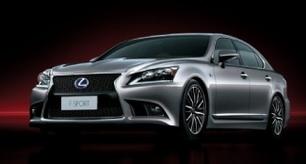
Almost 30 years after Lexus launched its original LS flagship sedan, the fifth generation of the car has arrived in Australia in what appears to be the brand’s never-ending battle to hunt down and beat Mercedes-Benz, BMW and Audi at their own game.
In some markets it looks as though Lexus is making headway. In the United States last year Mercedes-Benz was the best-selling luxury brand, followed by BMW and then Lexus. To give you even more insight, 50 per cent of all Lexus sales globally are in the US.
The story is different in Australia, with Lexus hardly a threat to the big three Germans, selling about a third less each month.
The Lexus LS is the Japanese prestige brand’s flagship and comes with a price that nudges up against formidable rivals. There’s the Mercedes-Benz S-Class, BMW 7 Series and Audi’s A8. Only the best cars from a few of the best brands in the world – no pressure, Lexus.
This may even be a reason to buy one – in that it’s not one of the traditional three. You could see Lexus as the popular underdog that in some ways does a better job than the usual suspects. A people’s favourite perhaps?
Just look at how often it’s mentioned in songs. According to lyrics.com.au the word Lexus has been used in 873 songs. Meanwhile Mercedes Benz appears in 500, Audi in 402 and BMW in 307.
With all this in mind we headed to the Australian launch to drive the LS 500 and its hybrid twin the 500h.
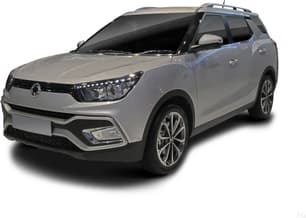
The SsangYong Tivoli XLV is about as unknown to Australian customers as cheeseburgers are to the tribespeople of the Amazon.
That is to say, if I asked your opinion of the SsangYong Tivoli XLV, you’d probably have no idea what I was on about. You may be unsure of its origins, unclear of its intentions, and generally baffled by the concept of it. The Amazonians may well feel the same way about burgers.
However, if Korean SUV specialist SsangYong has its way, the Tivoli XLV will become as hip and desirable, as Instagrammable and indulgent as the most clickable cheeseburgers out there. Geez, I’m hungry.
The Tivoli XLV is essentially a longer, taller version of the shorter, lower Tivoli, which is also coming to Australia. It keeps the Tivoli part of the name because it’s largely very similar, but the XLV has some points of difference: it’s all-wheel drive only, it’s diesel only, and it’s clearly one of the most practical small SUVs in the class.
What does XLV stand for? According to SsangYong, the acronym represents “eXciting smart Lifestyle Vehicle”.
Scratch that. Think of it as the 'eXtra Large Version' of the brand’s smallest vehicle, and you’ll be most of the way to understanding just what this big small SUV is all about.
The Lexus LS 500 and 500h are both exceptional cars. The ‘obnoxious’ styling especially to the grille makes the offerings from BMW, Benz and Audi look bland and overly corporate inside and out. It’s really in the dynamics department that the LS falls short of its rivals and only the LS 500 is enjoyable if you like to drive with a degree of conviction.
Both the LS500 and 500h, though, have wonderfully comfortable rides and this together with those sumptuous interiors makes these the perfect place to be if you’re in the back being swiftly and quietly taken to you next meeting.
For me the sweet-spot pick would be the LS 500 F Sport for its value and dynamic ability.
Depending on the pricing and specifications, the SsangYong Tivoli XLV might well offer an interesting alternative to the mainstream small SUV crowd. The safety score is a bit of a deterrent, but that may not rule it out for all buyers.
It’s almost like this is a provisional review, because we simply don’t know much about the brand’s strategy ahead of the local range rollout in November.
One thing’s for sure: just like a cheeseburger or any good laboured pun, we can’t wait to get our hands on some of the finer details from SsangYong Australia.