What's the difference?
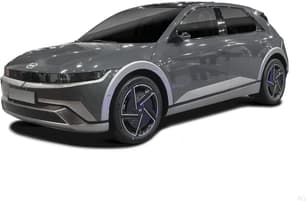
This new Hyundai Ioniq 6 N asks one important question for the brand - how far can Hyundai go?
Not in the sense of driving range, but rather how far can the brand go in terms of both performance and price. The Ioniq 6 N pushes the limit on both, offering supercar levels of power and performance and at a price that continues to take the brand into unchartered territory.
This is the follow-up to the groundbreaking Ioniq 5 N, the all-electric performance SUV that launched in 2024. But, as you’d expect, in the intervening time Hyundai has been able to make improvements to push the Ioniq 6 N to new levels.
The Ioniq 5 N dramatically raised the bar for Hyundai, offering up to 478kW of power and 770Nm of torque, way beyond the 242kW/348Nm offered by the brand’s i30 N hot hatch. This was Hyundai’s ‘Godzilla moment’, when the Skyline GT-R changed the image of Nissan forever.
Now the Ioniq 6 N looks to push things even further. And it does so as the sole Ioniq 6 model grade in 2026, with the rest of the range currently unavailable in Australia, as the local operation waits for the facelifted model to arrive sometime in the future.
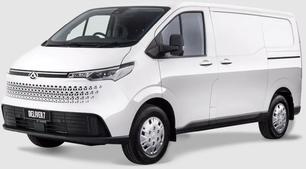
Following up the electric LDV eDeliver 7 comes the diesel-powered model which may look identical from the outside but is an altogether more traditional package.
Effectively replacing the G10 as LDV’s mid-size (2.5-3.5 tonne GVM) van, the Deliver 7 competes against segment stalwarts like the Ford Transit Custom, Hyundai Staria Load, Renault Trafic Pro, Toyota HiAce and Volkswagen Transporter.
Unlike some of the others in that list, the Deliver 7 has its eyes firmly set on the fleet operator crowd with all the required safety equipment, plenty of payload capacity and – crucially – a cheap starting price.
In the Ioniq 6 N Hyundai has built an incredibly quick and high-capable performance car. But that doesn’t mean it’s flawless and an obvious recommendation over its rivals.
Its looks remain divisive, and while obviously each individual will need to judge the design of the Ioniq 6 N themselves, objectively speaking there is a lot to like about this latest addition to Hyundai’s N stable.Â
Yes, it’s very fast, but with all the N modes switched off it’s also a very quiet and relaxed sedan with a premium look and feel. So it will play the dual role of track terror and everyday family transport well.Â
But it needs to be for the price, which is really testing the limits of Hyundai’s brand appeal. It obviously won’t be a best seller, but with the less-polarising Ioniq 5 N only selling approximately 300 cars since its launch, this could be a very niche proposition, reserved only for those who crave its special kind of electric performance.
Note: CarsGuide attended this event as a guest of the manufacturer, with accommodation and meals provided.
For a van that is going to be heavily loaded most of its life, the diesel Deliver 7 offers a strong value proposition with snazzy exterior design and passenger car-like interior tech.Â
As a fleet-oriented vehicle, that ANCAP sticker of approval, non-slip flooring and ergonomic seats will please the health and safety officers, too.
It's a shame, then, that LDV couldn't match the reasonable refinement and ride quality offered by the electric eDeliver 7. Where that van feels competitive with rivals, the diesel Deliver 7’s budget bones add up to a bouncy, unrefined and bonging safety aid-filled driving experience.
The diesel Deliver 7 is a decent enough workhorse but it’s hard to recommend saving the money over its more refined competitor set.Â