What's the difference?
Does Australia need yet another new car brand?
It’s the question I keep asking myself seemingly every other week as a new brand announces its intention to join the other 70 odd marques already competing for a slice of the Australia new-car market.
Chery made a successful re-entry into the Australian market in 2023, quickly establishing itself as a value-led brand. Earlier this year it launched Jaecoo, its more premium, adventure-focused offering and announced it would be spun-off into separate showrooms alongside the new Omoda brand.
The first Omoda-badged vehicle has now arrived, the Omoda 9 Virtue SHS (Super Hybrid System), which will join the almost-as-new Jaecoo J7 and J8 in the growing number of dealers around Australia.
So, does Australia need Omoda? Does the Omoda 9 Virtue SHS make a compelling case, in the same way the sharply-priced Chery models have?
Read on for our verdict.
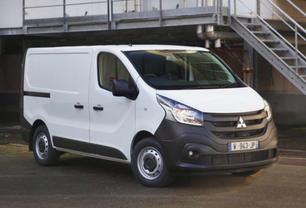
It has been a while since we’ve seen a Mitsubishi Express van on sale in Australia, and the one that has just launched here is a very different offering to its predecessor.
That’s because you could cover the tri-diamond badges on the grille or back door of the new 2020 Mitsubishi Express and be fooled into thinking that you’re looking at a Renault Trafic. Because you are.
The Express is a direct bi-product of the Alliance between Renault and Mitsubishi, and just like the Trafic, it’s made in France, at Renault’s Sandouville plant.
This isn’t a comparison - the headline isn’t Mitsubishi Express vs Renault Trafic - but the question is: why would you choose one over the other?
You’d be correct in assessing this as an exercise in badge engineering - Mitsubishi calls it “branded product” - but it could well be that you’d choose an Express because Mitsubishi has a broader network of dealers (186 at the time of writing, versus Renault’s 56), not to mention the potential for major fleet discounts and an upstream ute alternative in the Triton that helps the brand “offer the complete LCV solution”. Renault, you could counter, has a smaller and larger van for its own “LCV solution”.
There’s more to consider, including ownership, safety and value for money - read on for all the details.
The arrival of Omoda and Jaecoo so soon after Chery’s Australian return just feels like a huge task to take on for the company. And given the amount of other new brands hitting local roads there is a real danger that customers will either feel overwhelmed or simply ignore many of these new models.
Trying to position Omoda as a genuine alternative to luxury brands, and even the likes of Mazda and Volkswagen, is a tough ask for the brand and its dealers. Certainly the price and styling will help attract potential buyers but to cement itself in the local market it will need to make sure it makes an impact early.
Judging the Omoda 9 on its merits, it’s a nice enough SUV and does many things well but doesn’t have any elements that really ensure it stands out from the numerous competitors it faces.
The Mitsubishi Express is an impressive return to the market for the brand, albeit one that won’t suit every buyer’s needs or wants. If you need to personalise your van, or if you value the safety technology offered by rivals like the HiAce, then you may need to shop elsewhere.
But if you do choose the Express, you will be getting a value-packed and very comfortable van that is backed by a broad dealer network and decent ownership prospects.