What's the difference?
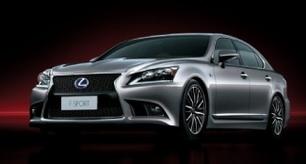
Almost 30 years after Lexus launched its original LS flagship sedan, the fifth generation of the car has arrived in Australia in what appears to be the brand’s never-ending battle to hunt down and beat Mercedes-Benz, BMW and Audi at their own game.
In some markets it looks as though Lexus is making headway. In the United States last year Mercedes-Benz was the best-selling luxury brand, followed by BMW and then Lexus. To give you even more insight, 50 per cent of all Lexus sales globally are in the US.
The story is different in Australia, with Lexus hardly a threat to the big three Germans, selling about a third less each month.
The Lexus LS is the Japanese prestige brand’s flagship and comes with a price that nudges up against formidable rivals. There’s the Mercedes-Benz S-Class, BMW 7 Series and Audi’s A8. Only the best cars from a few of the best brands in the world – no pressure, Lexus.
This may even be a reason to buy one – in that it’s not one of the traditional three. You could see Lexus as the popular underdog that in some ways does a better job than the usual suspects. A people’s favourite perhaps?
Just look at how often it’s mentioned in songs. According to lyrics.com.au the word Lexus has been used in 873 songs. Meanwhile Mercedes Benz appears in 500, Audi in 402 and BMW in 307.
With all this in mind we headed to the Australian launch to drive the LS 500 and its hybrid twin the 500h.
Up until 2024 when its title was nabbed by the Tesla Model Y, the humble Toyota Corolla has been the world’s best-selling car for quite some time.
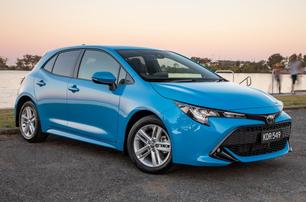
A reputation for reliability, affordability, efficiency and in its current guise, being fun to drive, the Corolla has seen off all comers to retain the title of the most popular small car on Earth.
The current twelfth-generation Corolla is now seven years into its life cycle having landed in mid-2018. In that time scores of buyers have moved across into small SUVs, and the Corolla’s competitor set has shrunk dramatically as car brands pull out of the small passenger car segment.
But as we gear up for the next-gen Corolla, is the existing one still worth considering against some newer rivals? And should you look at this instead of a small SUV?
I lived with the mid-range Corolla SX hatchback for a week to find out.
The Lexus LS 500 and 500h are both exceptional cars. The ‘obnoxious’ styling especially to the grille makes the offerings from BMW, Benz and Audi look bland and overly corporate inside and out. It’s really in the dynamics department that the LS falls short of its rivals and only the LS 500 is enjoyable if you like to drive with a degree of conviction.
Both the LS500 and 500h, though, have wonderfully comfortable rides and this together with those sumptuous interiors makes these the perfect place to be if you’re in the back being swiftly and quietly taken to you next meeting.
For me the sweet-spot pick would be the LS 500 F Sport for its value and dynamic ability.
The final score for this review makes it look as though the Corolla is a middling effort. The scores for each individual section of the review are well considered and fair. The Corolla does lack the practicality of some of its rivals. A lack of an ANCAP rating isn’t great and the powertrain is just okay. But it remains one of the most fun-to-drive hatchbacks on the market today, even seven years into its life, and I would wholeheartedly recommend the Corolla to anyone looking for a small car. If you can forgive some of the quirks, it is a reliable, adorable, fun and efficient small car favourite.