







.jpg)

.jpg)

.jpg)




.jpg)
Records are made to be broken.
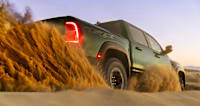
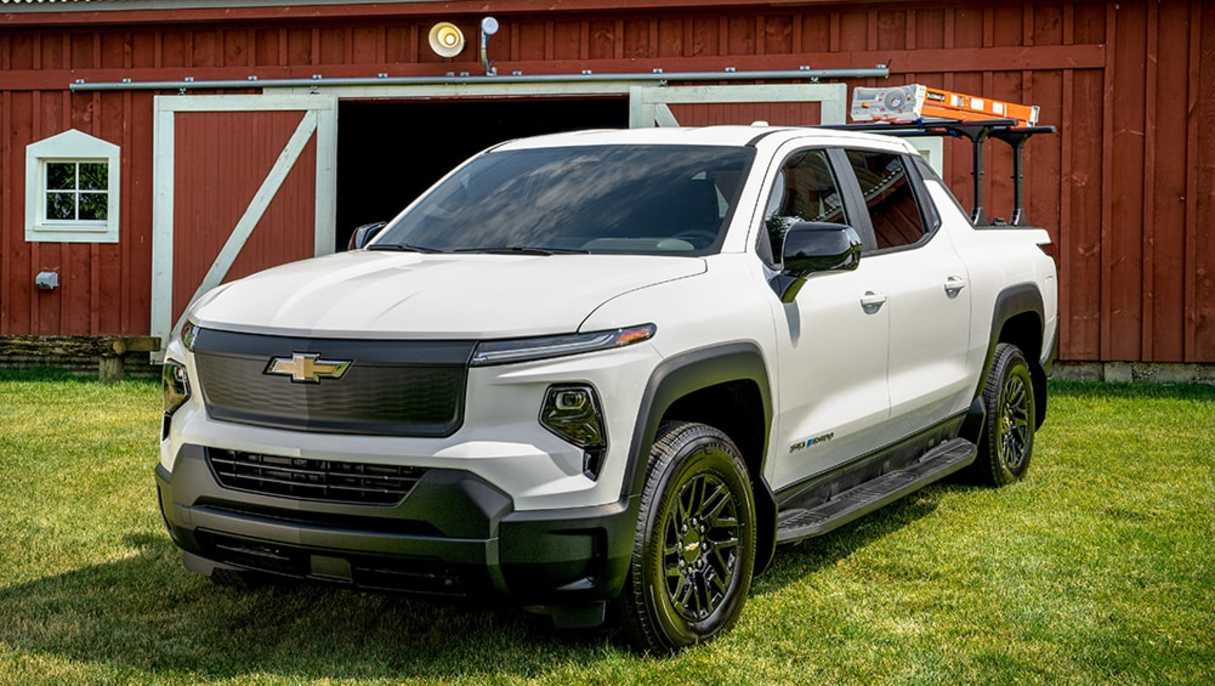
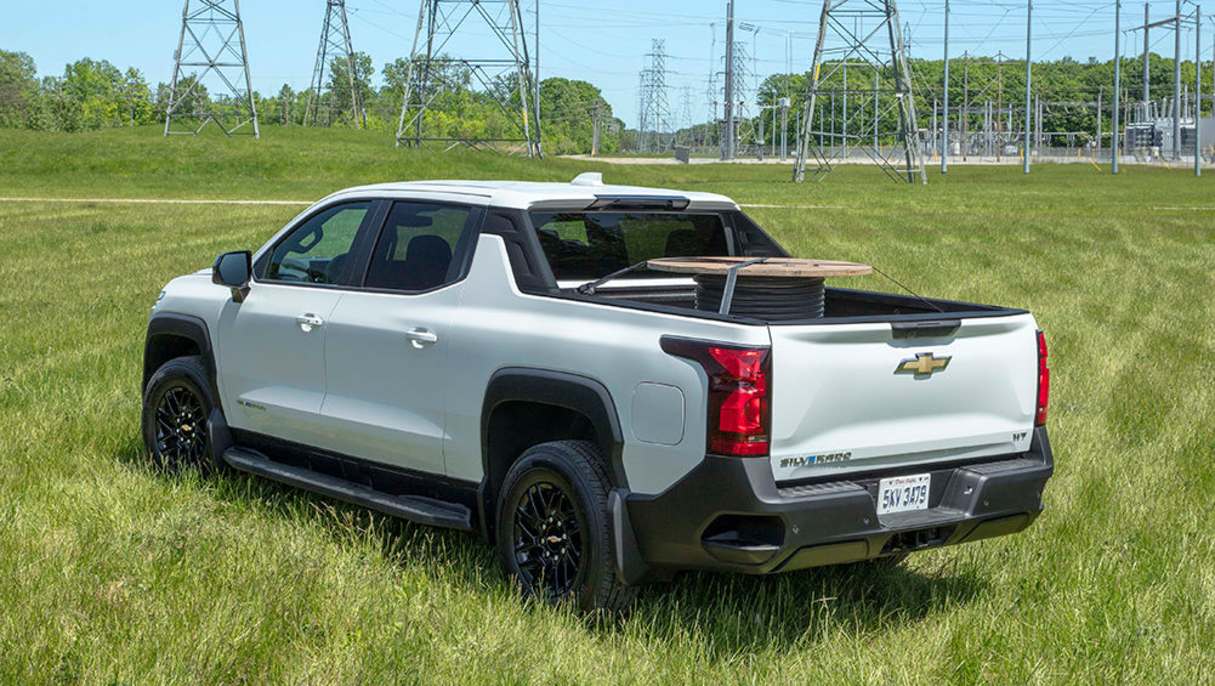
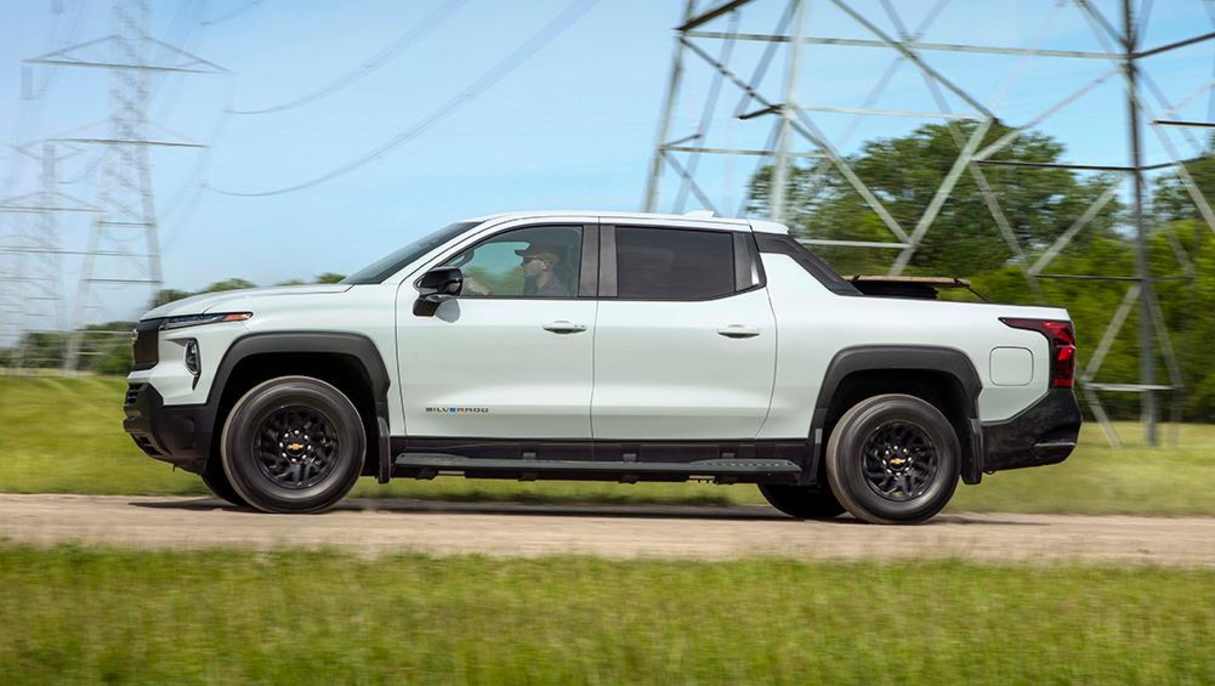
The Chevrolet Silverado EV destroyed the recent record set by the Lucid Air Grand Touring for the longest distance travelled on a single charge, according to US outlet Car and Driver.
The gargantuan electric pick-up travelled a monster 1704km before it ran out of juice, which is about 500km more than the Lucid. But not all is as it seems and the devil is in the details.
-
 New electric car smashes world record: Little known EV brand has the longest driving range in the world by considerable margin, beating the Nio ET7
-
Major EV breakthrough: Chinese brand Nio testing electric car with 1000km range to battle Mercedes-Benz EQE and Tesla Model S
-
New electric car battery breakthrough, and it's not from China: American carmaker GM forging ahead with game-changing cells that could make electric car and utes way more affordable
Chevrolet used the Silverado WT with a 205kWh 'Max Range' battery pack, which is more than double the size of a battery found in most long range electric cars on sale in Australia and well above the Lucid's 112kWh unit.
Chevy also added a tonneau cover to improve aerodynamics, removed the spare wheel to lower its weight and pumped up the tyres to the max pressure of 80psi to reduce rolling resistance.
But here’s the kicker, the team of GM engineers only drove the Silverado during the day to avoid colder temperatures where batteries are less efficient, didn’t use air conditioning and travelled very, very slowly.
So slow in fact, it took seven days to complete the 1705km journey. This meant they only travelled at about 40km/h the entire time.
So don't expect the Silverado’s feat to knock the Lucid off its Guinness World Record podium, but it’s still an incredible feat.

The rules in hypermiling tests are flexible at best anyway. The Lucid achieved its record run travelling from St Moritz, Switzerland and ended in Munich, Germany.
Starting in the Alps means the Lucid would have benefitted from plenty of downhill driving rather than the energy-sapping drive up the mountains.
Electric cars use regenerative braking to feed juice back into the battery. CarsGuide’s experience driving electric cars down mountain roads in Australia and in the Alps has shown it can add a substantial amount of energy to the battery.
It now appears travelling very slowly and without any quick acceleration can have a huge effect on range, but please stay in the left lane if you are extending your range in Australia.


.jpg)